
English 
T: +86-13760465505
E: vibetop@163.com
E: vibetop@163.com
No.13, Cheng Guang Industrial park, Dafu Community, GuanLan Street, Longhua District, Shenzhen, GuangDong, China

Views: 0 Author: Site Editor Publish Time: 2026-07-31 Origin: Site


B2B automotive procurement carries enormous stakes today. Global supply chains remain incredibly fragile. Margins for error shrink every single year. A single supplier failure in Car Auto Parts can lead to severe consequences. You might face sudden assembly line stoppages. These interruptions cost thousands of dollars per minute. Poor components often trigger expensive product recalls. They may also compromise strict safety standards across your fleet. Standard catalog components frequently fall short. They rarely meet exact OEM specifications. They struggle to fulfill specialized aftermarket performance needs. Transitioning to a custom supplier requires serious diligence. You must move far beyond basic pricing evaluations. Procurement teams must assess technical maturity rigorously. They need to verify stringent quality control frameworks. They must analyze overall supply chain resilience deeply. This article serves a clear and practical purpose. We provide procurement managers an evidence-based framework. You will learn how to audit potential partners effectively. We help you shortlist reliable candidates using objective data. Ultimately, you will onboard a robust custom automotive supplier confidently.
Validating a supplier requires looking past marketing claims to examine specific quality frameworks (e.g., IATF 16949, PPAP processes).
Evaluating core competencies—such as tolerances in precision CNC auto parts—is critical for assessing technical fit.
Total Cost of Ownership (TCO) matters more than unit price; tooling investments, defect rates, and logistics must be factored into the decision matrix.
A transparent supplier will provide clear, verifiable data on minimum order quantities (MOQs), scalability, and disaster recovery protocols.
Every procurement cycle starts by examining actual engineering requirements. You must decide whether standard items will work. Often, they do not. We must briefly establish when custom solutions become non-negotiable. Unique part geometries demand bespoke machining centers. Proprietary material blends require specialized foundries. Legacy part replacements often lack modern production molds. In these scenarios, custom fabrication is absolutely mandatory. Standard off-the-shelf components might suffice for generic fasteners. However, critical structural elements need dedicated Car Parts Manufacturing partners. You cannot compromise on load-bearing components.
You must establish baseline criteria early. Define what success looks like for this procurement cycle. Without clear benchmarks, supplier audits become subjective. We recommend focusing on strictly measurable outcomes. Clear benchmarks keep your evaluation team focused.
Here are common baseline criteria for procurement success:
Reducing average component lead times by at least 20 percent.
Achieving much tighter dimensional tolerances for complex assemblies.
Consolidating multiple vendor relationships into a single reliable source.
Improving metallurgical traceability across the entire production run.
Decreasing scrap rates during initial prototype testing phases.
Volume and lifecycle stages dictate supplier selection heavily. You must align supplier capabilities closely. Match them with your product’s current stage. Prototyping demands high flexibility from vendors. Vendors must accommodate rapid design iterations seamlessly. They should accept very small batch runs willingly. Mid-volume runs require efficient tooling transitions. Mass production demands rigid, highly repeatable automation. Peak capacity becomes the most critical factor here. Do not hire a prototyping shop for mass manufacturing. They will fail to scale adequately. Conversely, massive automated factories often reject prototyping requests. They require very high minimum volumes. Always match the supplier scale to your exact lifecycle phase.
Criteria | Custom Automotive Parts | Standard Off-the-Shelf Parts |
|---|---|---|
Design Flexibility | High. Tailored to specific OEM geometries perfectly. | Low. Fixed catalog dimensions only. |
Initial Investment | Requires tooling and engineering setup capital. | Minimal upfront costs required. |
Lead Time | Longer initial setup (typically 4-12 weeks). | Immediate or very short. |
Performance Fit | Exact match for specialized applications. | May require engineering compromises. |
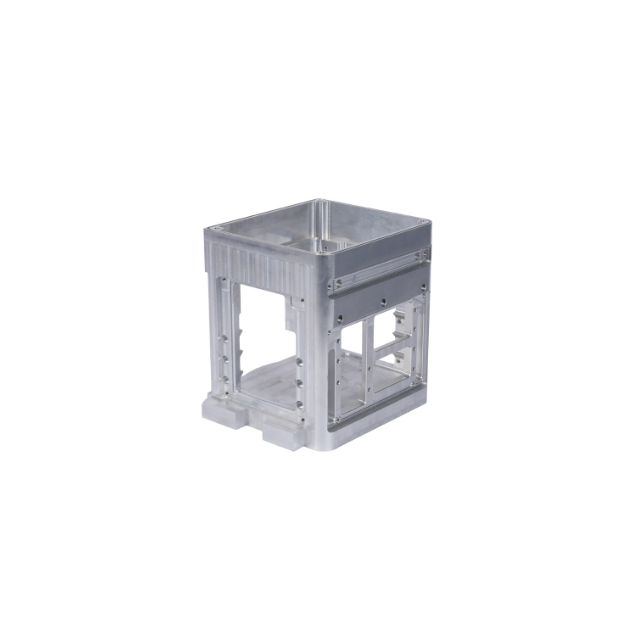
Evaluating technical capabilities demands rigorous on-site audits. You can also utilize detailed virtual tours. You must assess their manufacturing floor thoroughly. Do they specialize in your required processes? Many shops claim broad expertise falsely. Few possess truly deep specialization. Look for advanced multi-axis machining centers. These are crucial for producing exact Precision CNC Auto Parts. Some projects require specialized forging presses. Others might need advanced powder metallurgy equipment. Verify their equipment lists against your engineering drawings. Look for machinery brands known for precision and durability.
You must also evaluate their production scalability. Can they produce complex Automotive Hardware Parts consistently? Fasteners, custom brackets, and proprietary linkages require immense precision. Producing ten perfect prototypes is relatively easy. Producing ten thousand flawless parts is incredibly difficult. Inspect their automated handling systems. Check their robotic loading mechanisms carefully. These reduce human error during high-volume runs. They also maintain consistent cycle times.
Scalability and capacity require very deep investigation. Examine their Minimum Order Quantity (MOQ) flexibility. You need low MOQs during early pilot runs. However, you need high capacity ceilings during peak demand. Ask vendors hard questions about machinery redundancy.
What happens if a primary CNC machine breaks down?
Can they shift production to another cell immediately?
Do they run extra shifts to recover lost time?
Are spare machine parts kept on-site?
Missed deliveries ruin automotive production schedules completely. Redundancy prevents these catastrophic delays entirely.
Material sourcing directly impacts safety and performance. You must demand transparent material origin documentation. Inferior metals cause catastrophic field failures inevitably. Always request certified mill certificates directly. These documents prove the metallurgical integrity of raw materials. Ensure vendors purchase materials from reputable global mills. Traceability must follow the part perfectly. It tracks from raw billet to finished component. If a defect occurs later, you must trace it. You must find the exact material batch responsible.
Trust in automotive manufacturing relies on verifiable data. Look far beyond generic marketing claims. Every website promises exceptional quality. You must mandate proof of automotive-specific Quality Management System (QMS) certifications. IATF 16949 stands as the gold standard for automotive suppliers. It focuses heavily on strict defect prevention. It also emphasizes continuous improvement across the supply chain. At an absolute minimum, suppliers must hold an active ISO 9001 certification. Reject vendors lacking these foundational credentials immediately. They introduce too much risk.
Quality assurance protocols separate elite suppliers from average shops. Require hard evidence of robust inspection frameworks. Ask to see their standard operating procedures.
First Article Inspection (FAI): FAI verifies exact production setups. It ensures initial parts meet your exact specifications.
Production Part Approval Process (PPAP): PPAP ensures vendors understand all customer engineering records thoroughly. It confirms the process runs reliably at quoted production rates.
Automated Optical Inspection (AOI): AOI systems catch microscopic surface defects easily. Human inspectors often miss these tiny flaws.
Evaluate their approach to defect management. Mistakes will happen eventually. How they respond matters most. Ask about their root cause analysis protocols. Do they use 8D (Eight Disciplines) reporting? 8D provides a structured way to identify and eliminate recurring problems. A mature supplier shares past 8D reports willingly. This transparency indicates a very strong quality culture.
Financial stability guarantees long-term partnership viability. You do not want a supplier going bankrupt midway. Check how long they have operated in this sector. Decades of experience usually indicate stable cash flow. Ask for sanitized case studies. Request references from non-competing Original Equipment Manufacturers (OEMs). Speaking directly with other engineers provides unfiltered insights. They will reveal hidden historical reliability issues. They will also confirm if the vendor honors warranty claims promptly.
Transitioning suppliers always introduces hidden risks. Procurement teams often underestimate upfront investments. Tooling and Non-Recurring Engineering (NRE) costs require careful negotiation. Molds, fixtures, and custom programming demand significant capital. You must clarify tooling ownership before signing contracts. Who owns the injection molds once production begins? If you decide to switch vendors later, can you take your tooling? Always secure explicit contractual rights. You must retain ownership of any custom tooling you finance.
Geographic and logistical vulnerabilities require realistic evaluations. You must weigh the risks of local versus overseas manufacturing. Overseas facilities often offer lower per-unit manufacturing costs. However, you face much longer shipping lead times. Geopolitical tariffs can suddenly erase anticipated savings entirely. Port congestions create highly unpredictable delivery windows. Local manufacturing offers faster iterations. Communication happens in your local time zone. Shipping risks drop dramatically. You must balance these realities. Calculate the impact of potential delays on your assembly line.
Onboarding friction derails many promising vendor relationships. Highlight these common pitfalls early to avoid them.
Misaligned CAD Interpretations: Different software versions can subtly alter complex geometries. Always verify file conversions meticulously.
Delayed Prototype Revisions: If prototypes fail, how fast can they tweak the tooling? Slow revision cycles kill time-to-market.
Communication Gaps: Language barriers or delayed email responses cause massive engineering bottlenecks.
Establish clear communication protocols from day one. Assign dedicated project managers on both sides. Mandate weekly progress meetings during the critical onboarding phase. Consistent communication prevents costly manufacturing errors.
Creating a structured shortlisting process eliminates emotional biases. You need a data-driven decision matrix. Start with the Request for Quote (RFQ) stress test. Do not just look at the bottom line number. Evaluate how quickly they respond. Assess how comprehensively they detail the quote. Do they break down material, labor, and overhead clearly? The best suppliers ask intelligent engineering questions. They review your drawings and suggest Design for Manufacturability (DFM) optimizations. If a supplier simply quotes exactly what you sent without any questions, be cautious. True partners seek to improve part performance constantly.
Use prototyping as a vital trial run. Never jump straight into mass production blindly. Commission a paid prototype or a very short-run order. This test reveals several critical factors simultaneously.
It tests actual dimensional accuracy against your drawings.
It evaluates internal communication speed across their teams.
It verifies strict adherence to promised delivery timelines.
It reveals how they handle feedback and minor revisions.
If they struggle with a ten-part prototype order, they will fail mass production. They will undoubtedly fail a ten-thousand-part run.
Provide a concise, weighted scorecard approach for your final vendor selection. You must balance multiple competing priorities. Do not select based entirely on the cheapest quote. We recommend a balanced weighting system for evaluating Custom Car Auto Parts suppliers.
Evaluation Category | Weighting Percentage | Key Focus Areas |
|---|---|---|
Quality & Compliance | 40% | IATF 16949, PPAP capabilities, Defect rates, 8D reporting maturity. |
Delivery & Communication | 30% | Lead times, RFQ responsiveness, Project management, Logistical risks. |
Cost & Economics | 30% | Unit price, Tooling (NRE) costs, Payment terms, Tariff risks. |
Evaluating a custom auto parts supplier remains a critical exercise in risk mitigation. It ensures tight capability alignment between your engineering needs and their factory floor. Rushing this process leads to catastrophic supply chain failures. Standard components rarely solve complex automotive engineering challenges. Custom fabrication demands rigorous auditing. You must verify quality frameworks, technical capabilities, and financial stability thoroughly. Never skip these vital assessment steps.
The right manufacturing partner acts as a direct extension of your internal teams. They function as your outsourced engineering and supply chain department. They should not operate as a mere transactional vendor. A true partner proactively solves design flaws. They suggest DFM improvements constantly. They protect your production schedules fiercely.
Take immediate action to secure your supply chain. We highly recommend downloading a comprehensive supplier audit checklist today. Request a DFM consultation to identify potential manufacturing issues early. Submit a detailed RFQ for your next custom automotive project. Start building a resilient, high-quality manufacturing partnership right now.
A: IATF 16949 serves as the absolute gold standard for Tier 1 and Tier 2 automotive suppliers. It ensures strict adherence to advanced quality management systems. It focuses heavily on defect prevention and continuous improvement. At a minimum, suppliers must hold an active ISO 9001 certification. Without these credentials, you risk inconsistent part quality.
A: Always request a comprehensive First Article Inspection (FAI) report initially. This confirms the setup yields accurate dimensions. Furthermore, utilize the Production Part Approval Process (PPAP) framework. PPAP guarantees the vendor fully understands your design records. It also proves their manufacturing process runs reliably at quoted mass production volumes.
A: Lead times typically range from 4 to 12 weeks for initial setups. Tooling complexity impacts this schedule heavily. Creating custom molds or intricate CNC fixtures takes significant time. Material availability also plays a major role. Finally, geographical location dictates transit times. Prototyping usually takes less time, but production tooling requires patience.
A: You must balance logistical risks against budget constraints. Overseas manufacturing often provides significantly cheaper unit costs. However, it introduces shipping delays, tariff risks, and communication hurdles. Local suppliers offer much faster iteration cycles. They provide lower shipping risks and easier intellectual property protection. Weigh the complete project value carefully before deciding.


