
English 
T: +86-13760465505
E: vibetop@163.com
E: vibetop@163.com
No.13, Cheng Guang Industrial park, Dafu Community, GuanLan Street, Longhua District, Shenzhen, GuangDong, China

Views: 0 Author: Site Editor Publish Time: 2026-07-01 Origin: Site


Selecting the exact right material is a critical defining factor for automotive success. It determines whether a component survives harsh environments or fails catastrophically under extreme thermal and mechanical stress. Today, the automotive industry relies less on standard OEM replacements. Instead, builders demand highly specialized, precision-engineered parts designed for specific performance metrics. This shift raises the stakes for every engineering decision you make. You cannot afford to guess when specifying raw materials for custom builds. Our guide gives engineers, buyers, and custom builders an evidence-based framework. We help you evaluate automotive materials based on performance requirements, manufacturing methods, and lifecycle expenses. You will learn how to weigh tensile strength, thermal management, and weight reduction to ensure long-term reliability. By applying these principles, you can confidently navigate the complex landscape of modern automotive manufacturing and avoid costly component failures.
Material selection must balance tensile strength, thermal management, and weight reduction requirements specific to the component's operational environment.
Metals like aluminum and stainless steel remain the standard for load-bearing and high-heat applications, while custom composites are dominating lightweight exterior applications.
The chosen manufacturing method—especially precision machining—dictates material viability and unit economics.
Validation requires aligning material specs with industry-standard stress, corrosion, and fatigue testing protocols.
When engineering Car Auto Parts, you must establish strict evaluation criteria early in the design phase. A material performing perfectly in an interior cabin might easily melt inside an engine bay. You need to thoroughly analyze the precise conditions your component will face.
Operating Environment & Thermal Load: Assess the vital difference between continuous heat exposure and peak temperature spikes. Exhaust manifolds endure constant extreme heat, demanding alloys with high melting points. Conversely, interior trim pieces face lower thermal loads but require strong UV stability to prevent cracking.
Weight-to-Strength Ratio: Evaluate how component weight impacts overall vehicle efficiency. Lighter materials improve fuel economy and vehicle handling dynamics. However, you must ensure you do not sacrifice necessary structural integrity just to save a few ounces.
Corrosion and Chemical Resistance: Auto parts constantly battle hostile environments. You must factor in exposure to winter road salts, heavy moisture, and intense UV degradation. Additionally, components under the hood must resist caustic fluids like brake fluid, synthetic oil, and coolant.
Scalability and Lead Times: Finally, consider modern manufacturing realities. Weigh the availability of raw materials against your required production volumes. Rare alloys might offer superior performance but cause unacceptable tooling delays. You should prioritize materials balancing high performance with predictable machining times.
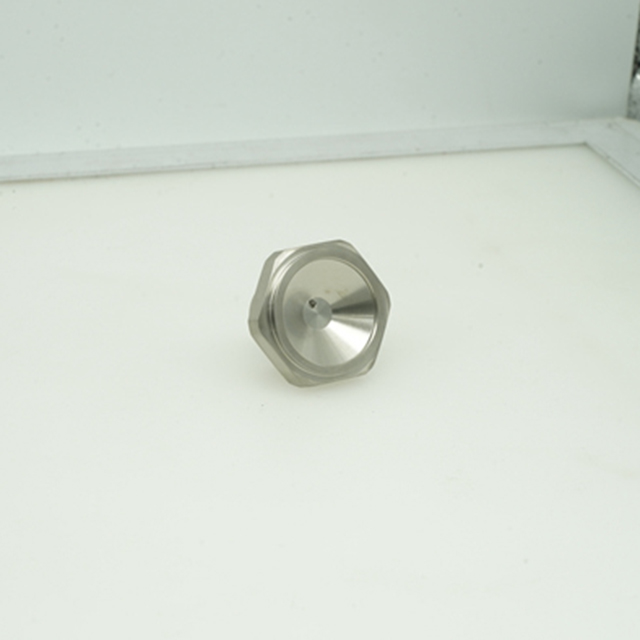
Metals continue to dominate structural and high-stress automotive applications. They provide highly predictable fatigue limits and exceptional durability. Let us explore the primary alloys you will encounter in the industry today.
Engineers frequently specify aluminum for applications demanding rapid heat dissipation and low mass. It remains a foundational element in modern vehicle design.
Use Cases: This versatile metal dominates engine blocks, heavy-duty suspension components, forged wheels, and core chassis elements.
Strengths: Aluminum boasts an excellent strength-to-weight ratio. It offers extremely high machinability, making it highly cost-effective for cutting complex geometries. Furthermore, it provides natural corrosion resistance through surface passivation.
Limitations: Despite these massive benefits, aluminum exhibits a lower fatigue limit compared to heavy steel. It is also highly susceptible to galvanic corrosion if you improperly mate it to dissimilar metals.
When extreme durability is non-negotiable, stainless steel serves as the ultimate engineering failsafe. It survives conditions where lighter metals rapidly degrade.
Use Cases: Builders rely heavily on stainless steel for exhaust systems, high-stress fasteners, custom mounting brackets, and various high-wear structural components.
Strengths: It delivers truly exceptional heat resistance and massive tensile strength. The high chromium content makes it intensely resistant to rust, aggressive road salt, and harsh chemical degradation.
Limitations: The primary drawback is its high density, which adds significant weight. It is notoriously difficult to machine quickly. This extreme hardness leads to higher tooling wear and naturally drives up overall production costs.
With the massive global rise of electric vehicles, copper has experienced a major resurgence. It solves complex thermal and power delivery challenges.
Use Cases: Copper remains the absolute gold standard for EV battery connectors, custom radiators, complex electrical harnesses, and highly specialized heat exchangers.
Strengths: It provides unmatched thermal and electrical conductivity. This specific trait makes it vital for safe, highly efficient energy transfer.
Limitations: Copper is very heavy and quite expensive compared to standard automotive metals. It is also highly prone to rapid oxidation if you do not properly coat it.
To help visualize these core differences, review the quick comparison table below:
Material Type | Primary Automotive Use Cases | Key Advantage | Main Limitation |
|---|---|---|---|
Aluminum | Engine blocks, chassis, suspension | Excellent strength-to-weight ratio | Lower fatigue limit over time |
Stainless Steel | Exhaust systems, heavy-duty fasteners | Exceptional heat and chemical resistance | Heavy and difficult to machine quickly |
Copper | EV connectors, radiators, harnesses | Unmatched electrical/thermal conductivity | Expensive and susceptible to oxidation |
While metal alloys form the structural backbone of a vehicle, modern engineering increasingly relies on advanced composites. You should pivot to these materials when metal simply adds unnecessary weight. They also help when rigid metals restrict complex aerodynamic shapes.
Carbon Fiber and Fiberglass:
These advanced composites are ideal for aerodynamic body kits, front splitters, rear diffusers, and luxury interior styling. They offer incredible tensile strength while providing extreme weight savings. This drastically improves overall aerodynamic efficiency and track performance. However, this high performance comes with engineering compromises. Carbon fiber carries very high upfront tooling and molding costs. It also poses risks of catastrophic failure upon heavy impact. Unlike steel, which usually bends under extreme stress, carbon fiber tends to shatter completely.
Automotive-Grade Plastics (ABS, Polycarbonate, Nylon):
Rigid and flexible plastics play an equally vital role in vehicle construction. They are best suited for interior trim panels, under-hood fluid reservoirs, and non-load-bearing sensor housings. ABS provides excellent impact resistance for bumpers. Polycarbonate offers transparent durability for delicate headlight assemblies. Nylon resists high engine bay temperatures while actively dampening harsh engine vibrations.
Decision Pivot:
How do you decide when to transition away from traditional metals? You should shift to composites when weight reduction stands as your primary metric for success. If the component does not act as a primary structural node or a high-heat transfer point, polymers often provide the smartest engineering solution.
The physical properties of your chosen material directly dictate how you can manufacture it. Certain materials pair perfectly with specific machining techniques. Others require entirely different production frameworks to remain cost-effective.
Here is a breakdown of core manufacturing processes and their ideal material pairings:
Custom CNC Machining: Generating Custom CNC Car Auto Parts represents the absolute pinnacle of automotive precision. This method is highly ideal for shaping aluminum, stainless steel, and rigid engineering plastics. CNC machining delivers incredibly tight tolerances, often reaching up to ±0.001 inches. It guarantees high repeatability for critical engine internals, brake calipers, and dynamic suspension elements.
Injection Molding: This process remains the absolute standard for high-volume automotive plastics. It works flawlessly with ABS, nylon, and durable polypropylene. Injection molding requires very high upfront tooling investments to create the permanent steel molds. However, it exponentially drives down per-unit costs once your production volume scales up.
3D Printing / Additive Manufacturing: Additive manufacturing excels primarily in rapid prototyping phases. It is best for testing highly complex geometries in advanced polymers, like Nylon-Carbon Fiber blends. Engineers also use specialized metal sintering to print titanium or aluminum structures. This allows you to validate physical designs thoroughly before committing massive budgets to permanent tooling.
Selecting a high-performance material means nothing without rigorous validation. You must aggressively prove the material can survive the intended environment. You accomplish this through strict, industry-standard testing protocols.
Testing Protocols:
Always demand verifiable material certifications from your direct suppliers. You should require detailed mill test reports to confirm you are receiving the exact alloy grades you ordered. Substituting a cheaper, lower-grade aluminum can easily lead to catastrophic failure under road stress. Always verify your chemical compositions.
Lifecycle Risk Mitigation:
You need to plan for comprehensive environmental testing. Implement thorough salt spray tests to evaluate long-term corrosion resistance, especially for exposed undercarriage components. Utilize strict thermal cycling tests to measure metal fatigue when parts rapidly shift from freezing ambient temperatures to extreme engine heat.
OEM vs. Aftermarket Standards:
Quality control must remain your absolute top priority. Ensure your selected materials actively meet or exceed established OEM baseline specifications. Failing to match these factory standards can quickly result in warranty voidance. More importantly, it creates severe liability risks in custom automotive builds. Always prioritize heavily engineered durability over simple aesthetic appeal.
Finding the right raw material is only half the battle. Securing a highly reliable supply chain and manufacturing partner ensures your project transitions smoothly. You want a seamless jump from a digital CAD file to a functional physical component.
Cost-Benefit Matrix:
You must compare raw material costs directly against the expected lifespan of the finished part. Spending slightly more on a highly corrosion-resistant alloy can drastically reduce warranty claims later. It prevents premature part failures. Evaluate these lifecycle expenses holistically rather than just fixating on the initial purchase price.
Prototyping Strategy:
Never skip the crucial prototyping phase. Order a minimum viable batch using your exact intended final material. Do not use a cheaper plastic substitute just for visual fitment checks. You must test the genuine material to validate its thermal performance, accurate weight distribution, and real-world durability under live stress.
Selecting a Manufacturing Partner:
Your vendor can completely make or break your automotive project. Look for machining partners who possess deep, specific experience handling tight automotive tolerances. They should hold verifiable ISO certifications demonstrating strict quality management. Furthermore, they must offer completely transparent raw material sourcing. You should always know exactly what goes into your custom components.
Ultimately, no single material acts as a universally superior solution for every automotive application. The right choice is entirely dependent on specific stress factors, harsh thermal loads, and the exact environmental conditions of the part's final location. You must always prioritize total lifecycle value. Focusing purely on engineered durability and long-term performance yields far better results than chasing the cheapest initial raw material cost. High-quality materials prevent dangerous component failures, reduce costly warranty claims, and elevate the overall performance dynamics of the vehicle. If you are ready to move your project forward successfully, do not leave your material selection to chance. Request a professional consultation or submit your CAD files to an expert manufacturing partner for a comprehensive manufacturability and material review today.
A: For high-volume production, automotive-grade plastics like ABS or Polycarbonate offer the best cost efficiency due to fast injection molding cycles. For low-volume custom aerodynamics, fiberglass provides a highly budget-friendly alternative to expensive carbon fiber while maintaining acceptable structural rigidity and moderate weight savings.
A: You can prevent galvanic corrosion by physically isolating the dissimilar metals. Use non-conductive barriers like dielectric grease, rubber gaskets, or nylon washers between the mating surfaces. Applying specialized anodized coatings or zinc plating also drastically reduces the electrical potential between the different alloys.
A: Yes, provided you select the correct high-temperature filaments. Standard PLA or ABS will warp near engine blocks. However, advanced engineering materials like Carbon Fiber-infused Nylon, ULTEM, or direct metal laser-sintered aluminum can easily withstand the continuous thermal loads found inside modern engine bays.
A: It depends heavily on your specific performance goals. Aluminum is highly ideal for reducing unsprung weight, which drastically improves steering response and track times. Conversely, stainless steel is better suited for heavy-duty off-road applications where maximum tensile strength and severe impact resistance are more critical than saving weight.


