
English 
T: +86-13760465505
E: vibetop@163.com
E: vibetop@163.com
No.13, Cheng Guang Industrial park, Dafu Community, GuanLan Street, Longhua District, Shenzhen, GuangDong, China

Views: 0 Author: Site Editor Publish Time: 2025-10-31 Origin: Site


In the world of automotive design and engineering, the materials used to create different components play a vital role in performance, durability, and overall appeal. One material that has earned a strong reputation in the industry is stainless steel. Known for its strength, resistance to corrosion, and aesthetic appeal, stainless steel has become a favorite choice for manufacturers and car enthusiasts alike. When combined with the growing trend of custom auto parts, stainless steel demonstrates remarkable versatility—from heavy-duty exhaust systems to sleek decorative trim.
This article explores the many applications of stainless steel in custom auto parts, why it has become so popular, and how it balances practicality with style.
Before diving into specific applications, it’s important to understand why stainless steel is chosen over other materials like mild steel, aluminum, or plastic. The benefits of stainless steel directly influence the performance and lifespan of auto parts.
Corrosion Resistance
Stainless steel is highly resistant to rust, making it ideal for parts that are exposed to moisture, road salt, and changing weather conditions. Unlike regular steel, it doesn’t corrode easily, ensuring parts last longer and perform reliably.
Strength and Durability
Stainless steel combines hardness with flexibility. It can withstand high pressure and temperatures, making it suitable for demanding applications like exhaust systems.
Low Maintenance
Parts made from stainless steel require less maintenance over time. They retain their shine and structural integrity with minimal effort, which is appealing to both everyday drivers and car enthusiasts.
Aesthetic Value
Stainless steel offers a polished, modern look. Whether brushed or mirror-finished, it enhances the appearance of vehicles and pairs well with custom designs.
Versatility in Manufacturing
Stainless steel can be shaped, welded, and finished in a variety of ways. This adaptability makes it a top choice for custom auto parts, where unique designs and dimensions are often required.
One of the most common uses of stainless steel in custom auto parts is in exhaust systems. An exhaust system is crucial not only for engine performance but also for safety, efficiency, and sound.
Heat Resistance: Exhaust systems are constantly exposed to high temperatures. Stainless steel resists warping and cracking, even under extreme heat.
Corrosion Protection: Moisture and exhaust gases can easily corrode mild steel pipes, but stainless steel withstands these conditions, ensuring a longer lifespan.
Performance Boost: Many performance cars use stainless steel headers and pipes because they allow smoother airflow, which helps engines “breathe” better and increases horsepower.
Sound Quality: Stainless steel mufflers and resonators can be tuned to produce different exhaust notes, giving enthusiasts the option to customize their car’s sound.
Custom stainless steel exhausts allow drivers to select pipe diameters, muffler styles, and tip designs. From aggressive roaring sounds to subtle, refined tones, customization is part of the appeal. Stainless steel exhaust tips, in particular, add both function and style by resisting discoloration and providing a polished finish.
Beyond performance-driven components, stainless steel is also widely used in vehicle trim. Trim refers to the decorative elements that enhance a car’s appearance, both inside and outside.
Stainless steel is used for:
Window surrounds
Door handles
Side moldings
Grilles
Mirror housings
These parts benefit from stainless steel’s ability to resist scratches, dents, and weather-related wear. Its reflective surface creates a premium look that stays attractive for years.
Inside the cabin, stainless steel is often used in:
Pedals
Dashboard accents
Door sill plates
Gear shift surrounds
Stainless steel interior trim provides a sophisticated feel and complements leather, wood, or plastic materials used in car interiors. Its durability ensures it can handle daily use without fading or cracking.
Beyond exhausts and trim, stainless steel is applied in several performance-focused custom parts.
Stainless steel housings and manifolds are common in turbocharged engines. The material withstands extreme heat generated by forced induction systems, ensuring reliability.
While not as widespread as in exhaust systems, stainless steel is sometimes used for custom suspension arms, brackets, and fasteners. Its strength ensures stability and safety, especially in modified vehicles.
Stainless steel brake lines resist corrosion and provide consistent hydraulic pressure. For performance cars, they are a reliable upgrade over traditional rubber lines.
Many protective parts are also made from stainless steel due to their exposure to harsh environments.
Skid Plates: Installed under vehicles, these plates protect the engine and transmission from rocks, debris, and uneven terrain. Stainless steel ensures toughness and resistance to damage.
Bull Bars and Grille Guards: Popular in off-road and utility vehicles, these components protect the front end while offering a rugged look.
Door Sill Guards: Protects the painted surface near the door entry from scratches and scuffs.
These components demonstrate stainless steel’s ability to blend utility with long-lasting protection.
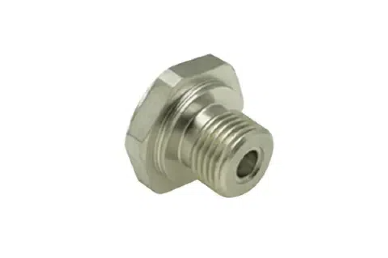
Even small components like bolts, nuts, and brackets benefit from stainless steel construction. In custom builds, every detail matters, and stainless steel fasteners provide strength and corrosion resistance, ensuring that modifications stay secure over time.
While stainless steel offers clear advantages, it is typically more expensive than mild steel or aluminum. However, the long-term value often outweighs the initial cost because stainless steel parts last longer, require less maintenance, and retain their appearance. For car enthusiasts investing in custom builds, stainless steel parts represent a balance of performance, durability, and style.
Another important aspect of stainless steel is its sustainability. Unlike some materials, stainless steel is highly recyclable. Many auto parts manufacturers use recycled stainless steel in production, reducing the environmental impact of custom modifications. For eco-conscious drivers, choosing stainless steel custom auto parts aligns with the goal of reducing waste and promoting sustainability.
As the automotive industry evolves, stainless steel is expected to remain a key material in custom auto parts. With advances in fabrication technology—including precision laser cutting and CNC machining—manufacturers can create even more intricate and high-performance stainless steel parts. Additionally, new alloys and surface treatments are being developed to further enhance corrosion resistance and aesthetic appeal.
Electric vehicles (EVs) also present new opportunities. Stainless steel is being used in battery enclosures, structural supports, and protective shielding. As EV adoption grows, stainless steel’s role in both standard and custom auto parts will likely expand.
For car owners considering stainless steel parts, here are a few practical tips:
Know Your Needs: Determine whether you need performance improvements (like an exhaust system) or aesthetic upgrades (like trim).
Check Grades: Not all stainless steel is the same. Grades like 304 and 409 are commonly used in automotive applications, each with different levels of corrosion resistance and cost.
Work with Reputable Manufacturers: Quality varies widely. Reliable manufacturers ensure proper welding, finishing, and testing of stainless steel parts.
Balance Cost and Value: While stainless steel parts may cost more upfront, their durability often makes them the most cost-effective choice in the long run.
Consider Customization Options: Many manufacturers allow buyers to personalize the size, shape, and finish of parts to match their vehicle’s style.
From exhaust systems that boost performance to trim pieces that enhance style, stainless steel has proven itself as one of the most versatile materials in the custom auto parts industry. Its combination of durability, corrosion resistance, strength, and aesthetic appeal makes it a favorite among both manufacturers and car enthusiasts.
While the initial investment in stainless steel custom parts may be higher, the long-term benefits—such as reduced maintenance, improved performance, and sustained appearance—make it worthwhile. Whether you’re upgrading your car’s sound with a custom stainless steel exhaust or adding a polished finishing touch with stainless steel trim, the material provides unmatched reliability and style.
As automotive design continues to evolve, stainless steel will remain at the forefront, offering car owners and enthusiasts countless opportunities to personalize their vehicles without compromising on quality. From heavy-duty components to sleek decorative details, stainless steel custom auto parts truly embody the perfect balance of functionality and versatility.


