
English 
T: +86-13760465505
E: vibetop@163.com
E: vibetop@163.com
No.13, Cheng Guang Industrial park, Dafu Community, GuanLan Street, Longhua District, Shenzhen, GuangDong, China

Views: 0 Author: Site Editor Publish Time: 2026-06-26 Origin: Site


High-density heat loads in data centers and new energy vehicles leave zero margin for fluid system failures. Modern hardware generates unprecedented thermal output. Engineers must dissipate this immense heat rapidly and flawlessly. A single droplet of escaped coolant can destroy critical infrastructure. Legacy materials simply cannot keep up with these demanding realities. Plastics degrade rapidly under constant thermal cycling. Brass and aluminum introduce severe galvanic corrosion risks when paired against modern coolants. You cannot rely on them for mission-critical deployments. We need a far better mechanical approach. This article establishes a clear framework for specifying robust components. You will learn how to achieve zero-leak performance and perfect chemical compatibility. We will explore alloy selection, precision engineering, and system-wide integration thoroughly. Our ultimate goal is to ensure long-term system uptime in the most demanding liquid cooling environments.
Alloy selection dictates lifespan: Specifying between 304 and 316L stainless steel depends strictly on coolant chemistry and operating environment.
Precision prevents catastrophic failure: Thread tolerances, sealing mechanisms, and manufacturing quality directly correlate to leak-free liquid cooling deployment.
System-wide compatibility is mandatory: Integrating stainless steel fittings requires strict adherence to fluid design conventions to prevent galvanic corrosion and flow restriction.
Liquid cooling introduces fluids intimately close to highly sensitive electronics. Quantifying the impact of coolant leaks reveals a stark operational reality. A compromised seal in an EV battery pack creates severe safety hazards immediately. Thermal runaway becomes a very real threat. Fluid escaping onto high-density server racks leads to instant hardware loss. Unplanned downtime disrupts core operations completely. It quickly cascades into massive operational failures. Standard commercial-grade plumbing components cannot handle industrial demands. They routinely fail under extreme liquid cooling pressure. Constant thermal cycling forces these weaker materials to expand and contract constantly. Eventually, they crack or warp out of shape. You need absolute industrial-grade resilience to prevent these scenarios. Using strictly specified Stainless Steel New Energy Fittings And Fixtures minimizes these inherent structural risks.
We must establish rigid criteria for modern fluid system components. Zero-leak tolerance stands as the ultimate engineering baseline. Robust sealing must endure over thousands of continuous operational hours. Even microscopic leaks are entirely unacceptable in these environments. Thermal and pressure stability is equally critical for system survival. Components must maintain structural integrity across extreme temperature deltas. Systems routinely fluctuate from freezing idle states to boiling peak computing loads. Compliance and safety form the final mandatory pillar. Data center infrastructure requires strict adherence to environmental operational standards. Automotive safety frameworks demand rigorous crash and extreme vibration resilience. Your fluid systems must clear all these structural hurdles effortlessly.
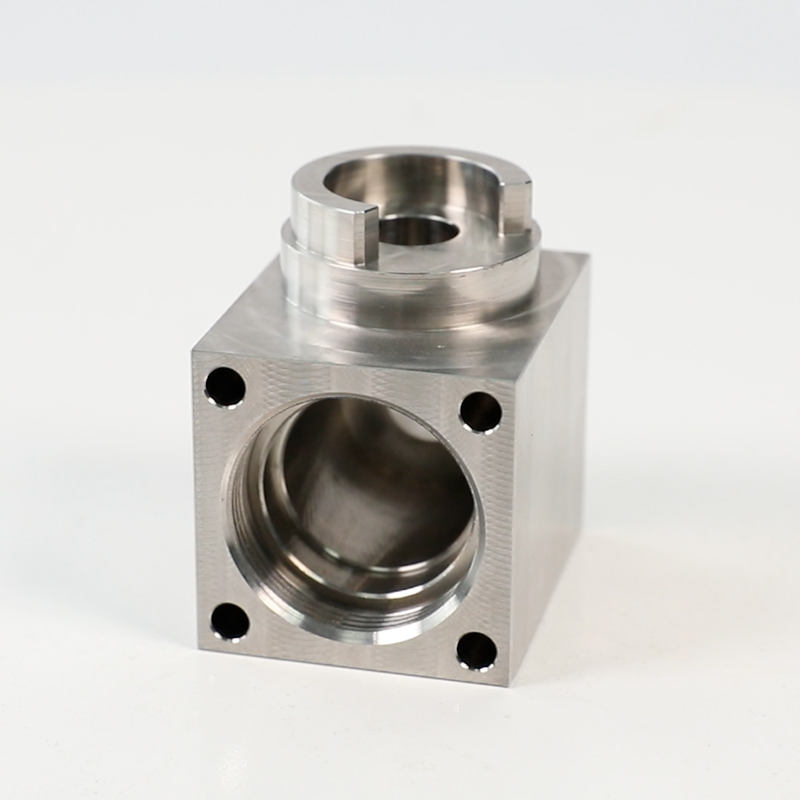
Austenitic stainless steels provide the ideal mechanical foundation for liquid cooling. They offer exceptional baseline advantages for continuous fluid transport. High tensile strength prevents unwanted deformation under sudden pressure spikes. Inherent oxidation resistance keeps internal pathways completely clear of rust. Their thermal conductivity profiles align perfectly with fluid system requirements. They do not retain excess heat unnecessarily. They also do not impede internal flow dynamics. These specific characteristics make austenitic grades vastly superior to plastics or softer metals. Industry experts consistently recognize austenitic steel as the premium choice.
Engineers widely consider 304 stainless steel the general industry standard. It excels dramatically in specific, highly controlled environments. The absolute best use cases involve closed-loop cooling systems. These systems typically run on heavily treated deionized water. Standard glycol mixtures also pair excellently with this specific alloy. However, 304 does carry notable operational limitations. It exhibits vulnerability to localized pitting if exposed to high chlorides over time. You must strictly monitor your coolant chemistry to prevent gradual degradation. Regular pH testing is a highly recommended best practice here.
When operating conditions intensify, 316L stainless steel becomes absolutely necessary. Molybdenum plays a critical, defining role in this alloy's composition. It provides vastly enhanced resistance to severe chemical corrosion and deep pitting. This addition makes 316L the definitive high-purity industry standard. Best use cases include systems utilizing complex dielectric fluids. Direct-to-chip cooling architectures also demand this exact level of resilience. It thrives effortlessly in environments featuring highly aggressive coolant chemistries. Facilities requiring prolonged, multi-year maintenance intervals rely heavily on 316L. It ensures truly uninterrupted long-term performance.
Table 1: Alloy Application Guide | |||
Alloy Grade | Corrosion Resistance Level | Ideal Coolant Types | Primary Application Environment |
|---|---|---|---|
304 Stainless Steel | High (Standard) | Deionized Water, Propylene Glycol | Closed-loop, strictly controlled chemistry |
316L Stainless Steel | Superior (Molybdenum Enhanced) | Dielectric fluids, harsh chemicals | Direct-to-chip, extreme industrial conditions |
Choosing the right connection type is critical for overall system integrity. Different hardware requires distinctly different mechanical approaches.
Quick-Disconnects (QDs): We evaluate non-spill mechanisms incredibly closely. They are practically essential for hot-swappable server racks. You can swap out malfunctioning modules without draining the entire loop.
Threaded connections (NPT/BSPP): Absolute precision machining is completely non-negotiable here. It actively prevents thread galling during manual assembly. Perfect threads ensure completely secure mating and absolute seal integrity.
Compression and tube fittings: We must assess vibration resistance incredibly thoroughly. Mobile EV deployments and high-flow applications exert massive constant stress on these specific joints.
Fluid dynamics dictate your overall cooling efficiency directly. We must analyze internal bore geometries to minimize any internal turbulence. Smooth internal pathways allow complex coolants to flow freely. Rough internal edges or sudden choke points generate highly chaotic eddies. This disruption creates massive, unnecessary pressure drops across the cooling loop. Engineers must balance structural wall thickness incredibly carefully. Walls must withstand maximum internal pressure ratings safely. Yet, they must also maintain optimal fluid dynamics to reduce mechanical pump strain. Selecting premium stainless steel fittings optimizes this delicate operational balance beautifully.
Chart: Pressure Drop Comparison by Internal Bore Finish | ||
Flow Rate (LPM) | Standard Finish (PSI Drop) | Electropolished Finish (PSI Drop) |
|---|---|---|
10 | 1.2 | 0.8 |
20 | 2.8 | 1.9 |
30 | 4.5 | 3.1 |
Internal cleanliness directly impacts long-term expensive hardware survival. Modern micro-channel cold plates feature incredibly tight internal tolerances. They clog very easily if microscopic debris enters the fluid stream. Electropolishing and passivation are strictly required for high-end cooling components. These specific chemical processes strip away any microscopic surface impurities. They actively prevent dangerous particulate shedding inside the active cooling loop. A pristine, passivated surface finish guarantees completely unimpeded thermal transfer. It protects highly sensitive micro-structures from catastrophic internal blockages.
Mixed-metal systems introduce significant, unavoidable engineering risks. Pairing stainless steel components alongside common aluminum cold plates creates severe problems. It forms an active, highly destructive electrochemical cell. Copper tubing can trigger very similar damaging reactions. Galvanic corrosion will rapidly eat away the weaker metal components. You must deploy highly aggressive mitigation strategies immediately. Utilizing specialized dielectric unions breaks the electrical conductivity path completely. Controlling your coolant pH strictly prevents the fluid from acting as an electrolyte. Deploying appropriate, tested corrosion inhibitors provides a fully necessary chemical shield. A common mistake is assuming deionized water prevents corrosion entirely; it actually becomes highly aggressive if contaminated.
Field deployment always presents very unique physical challenges. High-density rack configurations strictly limit available spatial volumes. You must address the weight factor of stainless steel carefully. It is significantly heavier than cheap plastic alternatives. Your server racks must structurally support this added mass safely. Assembly also introduces highly specific specialized tooling requirements. Thread galling remains a huge, constant threat during physical installation. Technicians must apply premium anti-seize compounds incredibly carefully. Crucially, these specific compounds must be completely chemically compatible with the internal coolants. Incorrect compounds can easily cause severe fluid contamination.
Standard off-the-shelf parts rarely fit advanced new energy cooling architectures. Navigating highly non-standard routing requirements takes vast specialized expertise. Bespoke server chassis usually feature incredibly dense, confusing internal layouts. Tight EV battery compartments offer almost zero clearance for bulky standard hardware. Custom metal fabrication often becomes a severe project bottleneck. Engineers must design highly complex manifolds to navigate these tight spatial constraints. Fast prototyping capabilities absolutely determine your actual deployment speed. They decide how quickly a new system transitions from blueprint to active reality.
Selecting a reliable manufacturing partner requires incredibly rigorous vetting. You must demand fully documented proof of component reliability.
Testing protocols: Insist on comprehensive, certified helium leak testing. Strict hydrostatic pressure validation is mandatory for every single production batch.
Traceability: Ensure verifiable material test reports (MTRs) are highly visible. Raw alloy sourcing must be completely transparent from start to finish.
Tolerance capabilities: Verify their CNC machining capabilities down to the micron level to ensure perfect sealing.
These specific verification steps separate premium engineering suppliers from standard commodity vendors.
A vendor's internal engineering depth completely defines their actual long-term value. Assess their ability to move rapidly through iterations. They must transition incredibly smoothly from rapid prototyping to high-volume precision manufacturing. A truly strong partner will actively co-design bespoke manifolds alongside your internal team. They intuitively understand complex physical routing assemblies natively. They proactively anticipate manufacturing hurdles long before they actually disrupt your timeline. This deep collaborative capacity is vital for highly successful high-density field deployments.
You need a highly systematic approach to ongoing procurement. Begin by requesting comprehensive sample kits immediately. Conduct thorough, rigorous fluid compatibility testing in your own testing labs. Expose the provided materials directly to your specific proprietary coolants. Next, initiate a fully monitored pilot deployment. Select a single, safely isolated cooling loop for this initial test. Validate your theoretical pressure drop models utilizing actual real-world data. Monitor seal integrity closely under maximum sustained thermal loads. This methodical progression fully guarantees highly successful scaling later.
Final assessment: Stainless Steel New Energy Fittings And Fixtures represent a fundamentally necessary baseline. They guarantee absolute reliability in modern, high-density liquid cooling architectures. The technology industry is currently experiencing a massive paradigm shift. We must immediately transition from treating basic fittings as cheap commoditized hardware. We desperately need to start viewing them as mission-critical engineered safeguards. A tiny leak in a high-density system is always completely catastrophic. You should always strongly prioritize strict alloy verification over cheap lowest-bidder sourcing. Demand highly rigorous vendor QA protocols at every single production stage. Secure your valuable infrastructure by choosing proven, precision-machined materials every time. Take immediate action today by auditing your current fluid system components for hidden vulnerabilities.
A: Mixing metals introduces severe, destructive risks of rapid galvanic corrosion. The less noble metal, typically aluminum, will corrode extremely rapidly. If mixed metals are strictly unavoidable, you must use proper dielectric separation unions. Furthermore, aggressive fluid chemistry management is absolutely required. Utilizing highly refined corrosion inhibitors effectively prevents the fluid from acting as a conductive electrolyte.
A: Thread galling happens due to cold-welding under extreme mechanical pressure. Physical friction strips away the protective oxide layer, causing raw metals to fuse instantly. You actively prevent this by ensuring highly precise thread tolerances during manufacturing. Proper lubrication is also critical. Technicians must use specialized anti-seize compounds and apply very careful torque during assembly.
A: Yes, very specific structural load considerations are highly necessary. Stainless steel is much heavier than basic plastic or aluminum. However, the immense operational reliability gains easily justify these minor structural adjustments. Engineers typically reinforce general rack load distribution to accommodate the extra mass safely. The peace of mind regarding leak prevention vastly outweighs the slight cabinet weight increase.
A: Lead times always vary significantly based strictly on design complexity. Typical expectations range broadly from six to twelve weeks for complete CNC machining. Initial design and physical prototyping usually consume the first few weeks. We strongly emphasize engaging vendors incredibly early in the initial chassis design phase to avoid severe delays.


