
English 
T: +86-13760465505
E: vibetop@163.com
E: vibetop@163.com
No.13, Cheng Guang Industrial park, Dafu Community, GuanLan Street, Longhua District, Shenzhen, GuangDong, China

Views: 0 Author: Site Editor Publish Time: 2026-06-24 Origin: Site


The transition to renewable energy requires infrastructure balancing structural integrity against extreme weight reduction. You need materials offering robust environmental resilience. Heavy metals are no longer the default choice for modern engineering projects. Traditional steel components often add unnecessary bulk. They also introduce severe long-term maintenance burdens across remote deployment sites. Precision-engineered aluminum is rapidly replacing them in critical field installations. We see this massive shift specifically in large-scale solar arrays. Wind turbine nacelles and advanced energy storage systems also utilize these lightweight components extensively. Evaluating and sourcing the right structural fixtures represents a highly strategic procurement decision. This choice directly impacts your overall project lifecycles. Choosing correctly maximizes your field installation efficiency. It also guarantees strict overarching system compliance under harsh weather conditions. Engineers must understand how these materials perform under dynamic loads over several decades. Proper material selection eliminates costly future replacements and reduces unexpected operational downtime.
Material Efficiency: 6000-series and 7000-series aluminum alloys offer the necessary strength-to-weight ratios required for modern renewable deployments.
Precision Matters: Tight tolerances in aluminum CNC fittings reduce on-site assembly friction and prevent long-term mechanical failures under dynamic loads.
Lifecycle ROI: Proper surface treatments (like hard anodizing) mitigate environmental degradation, yielding better economic returns over a 20- to 25-year lifespan.
Vendor Vetting: Reliable procurement requires assessing a manufacturer’s Design for Manufacturability (DFM) capabilities, ISO compliance, and volume scaling history.
Utility-scale renewable projects face strict payload constraints consistently. Rooftop solar limits and wind nacelle weight caps remain highly rigid. Engineers must design robust systems around aggressive exposure to corrosive elements. Coastal salt spray and high UV radiation quickly degrade standard structural components. Selecting the right base materials solves these severe operational challenges directly.
Aluminum weighs approximately one-third as much as standard carbon steel. This massive weight reduction directly cuts your heavy shipping expenses. You also need less heavy machinery during active site installation. Installation crews handle lightweight components much faster. This efficiency reduces overall manual labor hours significantly. Crane operations become cheaper and safer when lifting lighter structural nodes onto commercial rooftops.
In various electrical applications, aluminum provides a highly efficient alternative to copper. Engineers use it extensively for high-voltage busbars and structural grounding fixtures. You must apply precise geometric compensation to match copper's original current-carrying capacity. A larger cross-sectional area of aluminum achieves the exact same conductivity. It proves highly cost-effective and drastically lowers the final assembly weight.
We must acknowledge transparent structural realities during the initial design phase. Aluminum possesses a lower baseline tensile strength than stainless steel. Structural fittings require careful geometric optimization to achieve mechanical parity safely. Engineers utilize custom extruded profiles and reinforced internal ribs. They design intricate webbed structures to boost overall component rigidity. This specific approach maintains the low weight while meeting necessary yield strengths.
Chart: Material Performance Comparison in Renewable Applications | |||
Material Category | Weight Density | Corrosion Resistance | Field Installation Requirements |
|---|---|---|---|
Aluminum Alloys | Low (~2.7 g/cm³) | Excellent (Forms natural protective oxide layer) | Light machinery. Manual lifting often possible for smaller nodes. |
Carbon Steel | High (~7.8 g/cm³) | Poor (Requires heavy galvanization or frequent coating) | Heavy cranes and robust logistical transport mandatory. |
Copper (Electrical) | Very High (~8.9 g/cm³) | Good (Susceptible to mild oxidation over time) | Heavy lifting for large busbars. Extremely high procurement cost. |
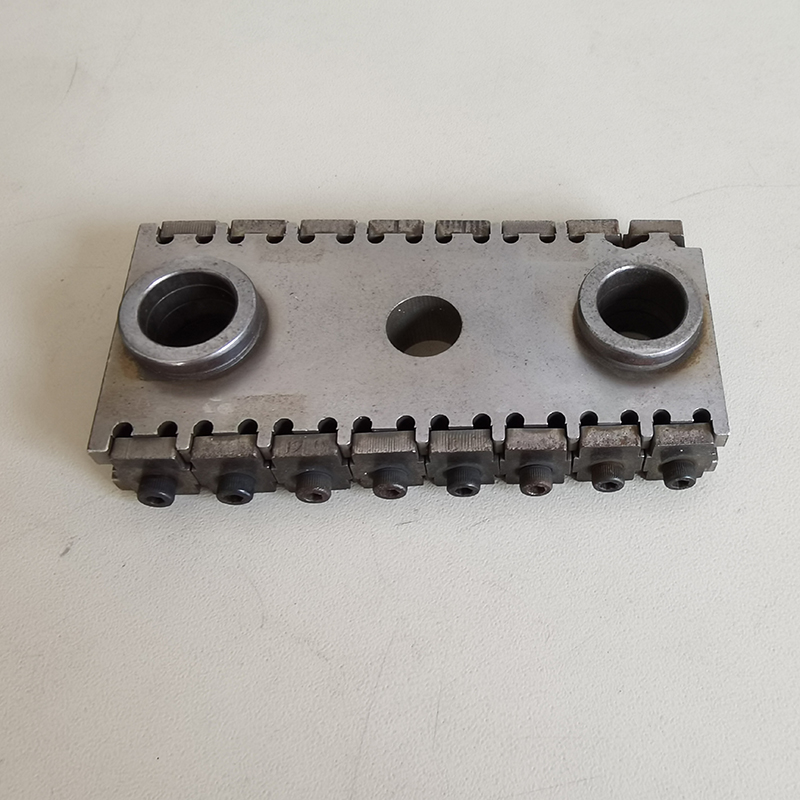
We see robust component demand across multiple renewable energy sectors today. Every sector requires specialized geometric configurations to function efficiently. Integrating proper Aluminum New Energy Fittings And Fixtures ensures long-term operational stability. Component precision guarantees safety during extreme weather events. Here is a detailed breakdown of the primary operational categories utilizing these vital materials.
Solar installations require highly durable structural supports across massive land areas. Crews install specialized mounting brackets, mid/end clamps, and long racking rails daily. Success relies entirely on modular assembly ease. You must also ensure complete resistance to severe wind shear forces. Lightweight profiles accelerate field assembly times for vast desert arrays.
Quick-release mounting brackets: They allow rapid module attachment without complex specialized tools.
Aerodynamically optimized racking rails: They minimize wind drag across continuous commercial rows.
High-grip mid and end clamps: They secure fragile glass panels tightly without causing internal micro-cracks.
Adjustable tilt legs: They help installers optimize the specific sun-facing angle seasonally.
Wind turbines operate under constant mechanical stress miles above the ground. Components inside the nacelle include internal cable cleats and large inverter heat sinks. Crews also rely on lightweight access fixtures for routine safety maintenance. Success criteria include severe vibration resistance and high fatigue strength. Continuous dynamic loads demand flawless structural integrity. A single failed cleat can sever critical control cables instantly.
Energy storage requires strict thermal and electrical management protocols. We use aluminum for protective enclosures, thermal management cooling plates, and internal high-voltage busbars. Success relies heavily on superior thermal dissipation efficiency. Maintaining strict electrical clearance compliance is absolutely mandatory. Lightweight enclosures simplify battery module transport. They also reduce the structural requirements for poured concrete mounting pads.
Selecting the ideal alloy dictates your final system performance entirely. Engineers actively balance machinability, overall yield strength, and natural corrosion resistance. Integrating precision aluminum CNC fittings demands rigorous specification adherence. Below is a comprehensive framework for selecting structural alloys properly.
Table: Aluminum Alloy Selection Matrix | ||
Alloy Grade | Primary Renewable Application | Key Engineering Benefits |
|---|---|---|
6061-T6 | Structural frameworks, robust nodal connectors, heavy brackets. | The baseline industry standard. Offers excellent machinability and superior weldability. |
6063 | Complex architectural extrusions, continuous solar racking rails. | Ideal for high surface-finish requirements. Excellent extrudability allows complex profiles. |
7075 | High-stress, low-weight dynamic aerospace-style mounting nodes. | Provides maximum yield strength. Requires extra surface treatment for optimal corrosion resistance. |
Precise machining directly reduces costly field installation bottlenecks. You should focus heavily on strict ISO 2768 standard compliance. Tight tolerances are absolutely necessary for perfectly mating parts. Automated solar assemblies cannot accommodate poor dimensional accuracy. Out-of-spec connectors cause severe delays during critical grid deployment phases.
Surface finishing guarantees physical longevity in harsh outdoor environments. We assess anodizing treatments rigorously during the procurement phase. Type II anodizing offers basic environmental protection. Type III hardcoat anodizing provides superior wear resistance against abrasive elements. Powder coating specs also guarantee long-term UV performance. Proper treatments protect components through a full 25-year environmental lifecycle.
Procuring raw components is only the first phase of deployment. System integrators face multiple environmental challenges upon final field deployment. Understanding these operational risks prevents catastrophic mechanical failures down the line. We must proactively address galvanic reactions and severe temperature fluctuations.
Galvanic Corrosion Risks: This remains the most common implementation failure globally. Mating aluminum fixtures against stainless steel fasteners causes rapid electrochemical degradation. Connecting them directly to copper grounding wires triggers similar destructive reactions. You must implement strict physical isolation metrics. Apply robust dielectric surface coatings. Use isolating nylon washers or heavy-duty EPDM rubber gaskets between all dissimilar metals.
Thermal Expansion Control: Aluminum expands significantly more than standard carbon steel. Large-scale solar arrays face extreme temperature fluctuations between summer and winter. You must highlight the absolute need for engineered expansion joints. Slotted structural fittings allow the metal to move safely without restriction. Without these specialized features, rigid racking arrays will buckle and shatter sensitive solar modules.
Compliance & Certifications: Sourced components must strictly align with overarching final system certifications. Solar mounting systems require rigorous UL 2703 compliance testing. European renewable markets mandate strict RoHS adherence constantly. You must also enforce rigorous material traceability. Ensure the supplier provides certified Mill Test Reports (MTRs). MTRs verify exact alloy compositions before any production batch begins.
Finding a reliable manufacturing partner mitigates severe project risks. You need a trusted vendor capable of adapting to complex geometries. They must handle massive volume scaling smoothly without quality drops. Proper supplier auditing separates capable machine shops from risky vendors.
Evaluate their Design for Manufacturing (DFM) support first. A strong supplier reviews CAD models actively upon receipt. They identify vital cost-saving reductions quickly. They eliminate wasted machining time before initiating any prototype runs. This early engineering intervention saves enormous material waste and shortens delivery schedules.
Transitioning from prototyping to high-volume scalability poses massive manufacturing risks. A shop might deliver 50 perfect prototypes effortlessly. They might fail entirely when scaling cast-and-machine processes for 50,000 continuous units. You must evaluate specific historical performance metrics thoroughly. Request historical defect rates using parts-per-million (PPM) tracking data. Ask for documented capability data (Cpk) on critical dimensions. Verify their high-volume extrusion history before signing long-term contracts.
Assess their overall supply chain resilience thoroughly. You must investigate raw material sourcing redundancy carefully. Analyze their domestic versus offshore production lead times. A diversified raw material sourcing strategy protects your critical project schedules. Vendors relying solely on a single raw material supplier introduce unacceptable delivery delays.
Sourcing renewable energy components requires balancing complex geometric design against advanced material science. You must prioritize manufacturing precision to ensure ultimate project success. Lightweight alloys lower installation barriers and reduce transportation logistical burdens. Precision CNC machining ensures every individual piece fits seamlessly in the field. Proper protective surface treatments guarantee decades of uninterrupted clean power generation.
Engineering and procurement teams should finalize environmental load requirements immediately. Clarify your localized wind, snow, and ambient corrosion parameters. Lock in your exact alloy specifications based firmly on these calculated loads. Initiate NDA and DFM discussions with your shortlisted manufacturing partners today. Proactive technical collaboration ensures you receive components meeting every single structural and compliance metric perfectly.
A: 6005-T5 and 6061-T6 remain the dominant industry standards. They provide an optimal balance of yield strength, structural extrudability, and natural corrosion resistance required for harsh outdoor installations.
A: You prevent this by using physical barrier materials effectively. Install EPDM rubber gaskets or isolating nylon washers. You can also apply specialized dielectric surface coatings to the aluminum components.
A: Extrusions are generally more cost-effective for long, continuous profiles like racking rails. CNC machining is absolutely required for complex, multi-axis nodal connectors or tight-tolerance mounting brackets where standard extrusion tooling cannot achieve the necessary geometry.
A: At a bare minimum, they need ISO 9001 for strict quality management. There is a very strong preference for manufacturers familiar with UL (Underwriters Laboratories) or IEC standard requirements for the final system assembly.


