
English 
T: +86-13760465505
E: vibetop@163.com
E: vibetop@163.com
No.13, Cheng Guang Industrial park, Dafu Community, GuanLan Street, Longhua District, Shenzhen, GuangDong, China

Views: 0 Author: Site Editor Publish Time: 2025-11-03 Origin: Site


In the modern automotive industry, materials are just as important as engines, electronics, and design. The type of material used in a car influences its performance, durability, safety, and even overall cost. Among the various materials available, aluminum has become a star player in both traditional and custom auto parts. Its unique combination of lightweight strength makes it highly desirable for manufacturers and car enthusiasts alike.
This article explores why aluminum has become a preferred material in the automotive world, how it contributes to efficiency and speed, and the various ways it is used in custom auto parts.
At first glance, aluminum may not seem like a material that can compete with steel. Steel is stronger, cheaper, and has been the backbone of car manufacturing for over a century. But aluminum offers a set of advantages that directly address today’s automotive challenges: fuel efficiency, environmental concerns, and the demand for high performance.
Lightweight Advantage
Aluminum is about one-third the weight of steel. By using aluminum instead of heavier materials, manufacturers can reduce the overall weight of a car significantly. This weight reduction directly translates into better fuel economy and faster acceleration.
High Strength-to-Weight Ratio
Despite being lighter, aluminum retains impressive strength. With proper alloys and treatments, it can perform under stress and strain without easily deforming. This balance of lightness and strength is why it’s often chosen for critical components.
Corrosion Resistance
Unlike steel, aluminum forms a natural oxide layer that protects it from corrosion. This makes it particularly suitable for exterior parts, engine components, and other areas exposed to moisture and harsh environments.
Heat Conductivity
Aluminum conducts heat efficiently, making it ideal for applications like radiators, engine components, and brake systems, where heat dissipation is crucial.
Recyclability
Aluminum can be recycled indefinitely without losing its properties. This aligns perfectly with the automotive industry’s push toward sustainability.
Efficiency in cars is about more than just the engine—it’s about how effectively the entire vehicle uses energy. Here’s how aluminum enhances efficiency:
Reducing a car’s weight lowers the amount of energy required to move it. According to studies, reducing vehicle weight by just 10% can improve fuel economy by 6–8%. Since aluminum is much lighter than steel, replacing steel parts with aluminum can significantly reduce fuel consumption.
A lighter car is easier to maneuver. Using aluminum parts reduces overall weight, lowering the car’s center of gravity and improving handling and stability, especially during turns and high-speed driving.
Less weight means engines don’t need to work as hard to accelerate. Likewise, braking systems deal with less momentum, improving stopping distances. Both of these factors enhance safety and performance.
For EVs, weight reduction is even more critical. Lighter cars mean batteries last longer on a single charge. Aluminum is therefore becoming a preferred material for electric vehicle frames, battery housings, and structural parts.
Speed isn’t just about horsepower—it’s also about weight. In racing and performance cars, every kilogram counts. By replacing heavy steel parts with aluminum, cars become quicker and more responsive.
Acceleration Gains: Lightweight aluminum allows engines to deliver power more effectively, shaving seconds off acceleration times.
Top Speed Improvements: A lighter vehicle requires less energy to overcome inertia, which can improve top speed potential.
Track Performance: Aluminum components like suspension arms and wheels reduce unsprung weight, which improves grip and responsiveness during high-speed driving.
This is why motorsport teams—from Formula 1 to rally racing—heavily rely on aluminum parts in their vehicles.
Aluminum can be found in almost every part of modern vehicles, especially in custom builds where weight and efficiency are prioritized.
Aluminum is widely used in engine blocks, cylinder heads, and pistons. Its heat conductivity helps manage high temperatures, and its lightness improves overall engine efficiency.
Aluminum alloy wheels are popular because they’re lighter and stronger than traditional steel wheels. They reduce rotational mass, which improves acceleration, braking, and fuel economy.
Hoods, doors, trunks, and fenders made of aluminum reduce weight without compromising safety. Luxury brands and performance cars often use aluminum extensively in their bodywork.
Due to its excellent thermal properties, aluminum is a common choice for radiators, intercoolers, and air conditioning condensers.
Aluminum control arms, brackets, and subframes reduce unsprung mass, enhancing ride comfort and stability.
Calipers and rotors made with aluminum alloys are lighter, improving handling and reducing brake fade caused by excessive heat.
Entire chassis and frames can be constructed from aluminum, especially in performance and electric vehicles where every pound matters.
While manufacturers already use aluminum in production cars, the customization industry has expanded its applications even further. Car enthusiasts often seek to upgrade or personalize their vehicles with custom aluminum parts for performance, style, and durability.
Aluminum alloys are used in lightweight, high-performance exhaust systems. They improve sound quality, reduce weight, and resist corrosion better than mild steel.
Dashboard panels, pedal sets, and shift knobs crafted from aluminum add a stylish and premium look to interiors. They also withstand wear and tear better than plastic alternatives.
One of the most popular customizations, aluminum wheels come in countless designs. They not only look attractive but also provide performance benefits on the road and track.
Car enthusiasts often use aluminum for valve covers, intake manifolds, and brackets. These parts not only reduce weight but also add visual appeal under the hood.
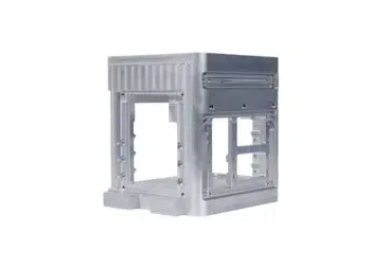
To understand the role of aluminum, it’s helpful to compare it with steel and carbon fiber, two other common automotive materials.
Aluminum vs. Steel: Steel is stronger in raw strength but heavier and more prone to rust. Aluminum is lighter, resists corrosion, and offers an excellent balance between weight and strength.
Aluminum vs. Carbon Fiber: Carbon fiber is lighter and stronger but significantly more expensive. Aluminum provides an affordable alternative with comparable performance benefits for many applications.
This balance of cost, weight, and performance makes aluminum the practical choice for most car owners.
One downside of aluminum is that it can be more expensive than steel. Manufacturing aluminum components often requires advanced casting and forging techniques, which increase production costs. However, when you consider the fuel savings, performance improvements, and durability, aluminum parts often pay for themselves in the long run.
In custom applications, the higher cost is usually justified by the combination of improved efficiency, speed, and stylish appearance.
As sustainability becomes a bigger focus in the auto industry, aluminum’s recyclability stands out. Recycling aluminum uses only about 5% of the energy required to produce new aluminum. This makes it one of the most eco-friendly materials available. Many automakers are now using recycled aluminum in their vehicles, reducing environmental impact while maintaining performance.
The role of aluminum in the automotive industry is only expected to grow. With the rise of electric vehicles, lightweight construction is more important than ever. EV manufacturers are increasingly turning to aluminum for battery casings, frames, and structural parts to extend driving ranges.
Additionally, advancements in aluminum alloys are improving strength and durability, making the material even more versatile. As manufacturing techniques evolve, aluminum parts may become more affordable, further expanding their use in mainstream vehicles.
For car owners interested in upgrading to aluminum components, here are some useful tips:
Understand Your Goals: Decide whether you’re aiming for performance, efficiency, or style before choosing custom aluminum parts.
Check Quality: Not all aluminum alloys are the same. Higher-grade alloys offer better strength and corrosion resistance.
Work with Professionals: For custom parts, professional machining ensures proper fit, finish, and durability.
Balance Cost vs. Benefit: While aluminum parts may cost more upfront, they provide long-term savings through fuel efficiency and longevity.
Maintenance: Though aluminum resists rust, it can oxidize. Polishing or coating aluminum parts helps maintain their appearance.
Aluminum has reshaped the way cars are built and customized. Its unique combination of lightweight strength, corrosion resistance, heat conductivity, and recyclability makes it one of the most valuable materials in the automotive world.
From improving fuel efficiency to boosting speed and handling, aluminum auto parts deliver benefits that steel and other materials cannot match as effectively. Whether it’s lightweight wheels, engine components, or sleek custom trims, aluminum enhances both performance and style.
For car enthusiasts and manufacturers alike, aluminum represents the future of automotive engineering. As vehicles become more advanced, efficient, and environmentally friendly, aluminum’s role will only grow stronger. It is not just a material—it’s a driving force behind the evolution of modern cars.


