
English 
T: +86-13760465505
E: vibetop@163.com
E: vibetop@163.com
No.13, Cheng Guang Industrial park, Dafu Community, GuanLan Street, Longhua District, Shenzhen, GuangDong, China

Views: 0 Author: Site Editor Publish Time: 2026-01-12 Origin: Site


Installing custom auto parts can dramatically enhance your vehicle. However, installation mistakes can lead to costly repairs or safety risks. In this article, we'll explore five common mistakes when installing custom auto parts. You'll learn how to avoid them and ensure a smooth, successful installation.
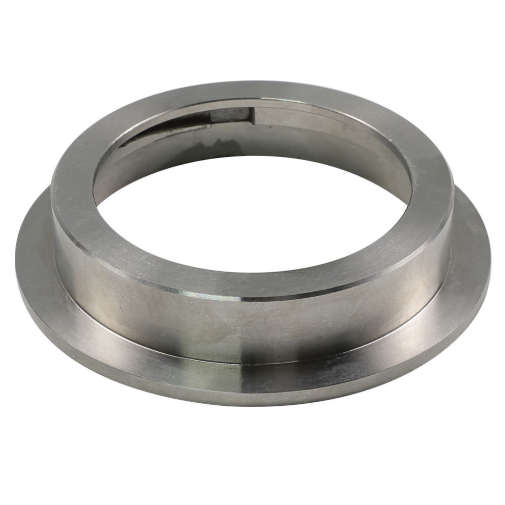
Before purchasing any custom auto parts, it's crucial to understand the exact specifications of your vehicle. Every make and model has unique features and requirements, and parts that aren’t designed to fit those specifications can lead to poor performance, unnecessary wear, or even damage to your vehicle.
For example, a custom exhaust system designed for one car model might not work properly with another. If the parts don't match the specific requirements, they can create issues that reduce the vehicle's performance.
Part | Required Specifications | Consequence of Mismatch |
Exhaust System | Car model year, engine size | Poor performance, backpressure |
Brake Pads | Vehicle weight, brake type | Reduced braking efficiency |
Air Intake System | Engine specifications | Poor engine performance, fuel inefficiency |
Tip: Always cross-check the compatibility of the part with your car's specifications before purchasing. This helps you avoid returning parts or facing unnecessary repair bills.
It's not just about the vehicle's specifications, but also whether the parts are designed by the manufacturer for your particular model. Not all auto parts are made equally, and while some aftermarket parts may work with your car, others might not be as reliable. Checking compatibility ensures that the part was engineered for your vehicle’s unique needs.
Using vehicle databases, manufacturer's websites, or consulting with professionals can provide insight into whether a part will function as expected in your vehicle.
Comment: Manufacturer guidelines and compatibility databases are invaluable resources when purchasing custom auto parts.
One of the biggest mistakes you can make is assuming that all custom auto parts will fit your vehicle just because they seem similar. Even minor differences in dimensions, weight, or design can cause issues.
Always measure and verify before installing any parts. Don't rely solely on product descriptions or images, as these can sometimes be misleading.
Tip: Don’t make assumptions based on general descriptions. Measure and verify compatibility with your vehicle before installing any parts.
One of the most common mistakes people make when installing custom auto parts is skipping thorough research. Not all auto parts are created equal, and some may offer better quality, durability, or performance than others.
Spend time researching various options, reading customer reviews, and comparing prices. Look for parts that are highly rated, backed by warranties, and come from reputable brands.
Auto Part | Top Features to Look For | Things to Avoid |
Brake Pads | Durability, Material Quality | Cheap pads, unknown brands |
Air Filter | High flow rate, Material | Poor filtration, low quality |
Suspension Springs | Load rating, Material strength | Incorrect spring rate, low quality |
Notes: Comparing parts from different manufacturers and checking customer reviews will help you choose the best quality for your budget.
Proper preparation is essential for a successful installation. Using the wrong tools or lacking necessary equipment can cause damage to the parts, your vehicle, or even lead to injuries. Before beginning any work, ensure you have the right tools, including wrenches, screwdrivers, jack stands, and torque wrenches.
Investing in high-quality tools will make your installation process easier and safer, as well as help you avoid costly mistakes.
Gather the right tools before starting the installation process to ensure the job is done correctly and efficiently.
If you're not confident in your ability to install certain custom auto parts, consider watching tutorials or consulting with a professional. Many auto parts manufacturers provide installation videos, guides, or FAQs to help you with the process. If you're dealing with more complex parts, it’s wise to seek assistance from a professional mechanic.
Comment: Don't hesitate to ask for help or use professional resources if you feel uncertain about your installation skills.
When installing custom auto parts, safety should be your top priority. It’s easy to overlook safety when you're eager to get the job done, but neglecting it can lead to serious injuries. Always wear gloves, goggles, and protective clothing when handling tools or auto parts. This will protect you from sharp edges, hot surfaces, or flying debris.
Tip: Invest in high-quality safety gear to protect yourself from potential accidents during the installation process.
Before you begin, make sure your vehicle is properly secured. Use high-quality jacks and jack stands to elevate the car and ensure it's stable. Never rely solely on a hydraulic jack without support, as it could collapse during the installation, resulting in injury or damage to the vehicle.
Equipment | Purpose | Why It’s Important |
Hydraulic Jacks | Lifting vehicle | Stability and safety |
Jack Stands | Supporting vehicle securely | Prevents accidents and injuries |
Wheel Chocks | Securing wheels in place | Prevents vehicle movement |
Some custom auto parts, like aftermarket lighting or electrical components, may require modifications to your car's electrical system. Always disconnect the battery before working with electrical systems to avoid shocks or shorts. If you're unsure about how to work with electrical components, seek professional assistance.
Tip: Disconnect the battery to ensure safety when working with any electrical systems in your vehicle.
Rushing through the installation process can result in mistakes that lead to poor performance or even cause damage to your custom auto parts. It's important to take your time, carefully follow the instructions, and double-check your work.
If you don’t take the time to ensure everything is properly installed, you risk cutting corners, which can have long-term consequences for the vehicle's performance.
After every major step of the installation, double-check your work. Ensuring that all components are securely fastened and correctly aligned will help prevent future issues. Make sure all nuts, bolts, and connectors are tightened to the specified torque settings.
Step | What to Double-Check | Reason |
Bolts and Screws | Tightness, alignment | Prevents loosening during use |
Electrical Wiring | Connections, insulation | Ensures safe, functioning system |
Fluid Hoses | Proper sealing, positioning | Prevents leaks and pressure loss |
Comment: Double-checking every step ensures a secure and effective installation, preventing unnecessary repairs later.
Manufacturer instructions are there for a reason. Skipping steps or improvising can result in incorrect installation, which might void warranties or cause the custom auto parts to malfunction. Always follow the provided guide carefully.
Once the installation is complete, thoroughly test the new custom auto parts to ensure they function as expected. Test your vehicle under different conditions to check for any abnormalities in performance, handling, or sound.
If something feels off, it’s better to identify the issue early than to drive with potentially faulty parts.
After testing the new custom auto parts, look for any signs of leaks, strange noises, or vibrations. These issues may indicate improper installation or defective parts. Pay close attention to areas where parts are connected, such as hoses, pipes, or electrical connections.
Notes: Keep an eye on the areas around the new parts for any issues like leaks or unusual noises after installation.
If you encounter any issues after installation, don’t hesitate to seek professional help. A mechanic can inspect the installation to identify any potential problems and fix them before they become serious.
Comment: If you're unsure about any issues post-installation, professional help can save you time and money in the long run.
Installing custom auto parts is a great way to improve your vehicle, but it’s essential to avoid common mistakes to ensure a successful and safe installation. By understanding your vehicle's specifications, preparing properly, using safety gear, and following the manufacturer’s instructions, you can avoid costly mistakes and achieve the best results.
At Vibetop, we specialize in high-quality custom auto parts that are designed to enhance your vehicle’s performance and durability. Whether you're looking for precision-engineered components or stylish upgrades, our parts are made with your vehicle's unique specifications in mind.
Remember to take your time, test the new parts, and seek professional help when needed. A little patience and attention to detail can go a long way in ensuring your custom auto parts enhance your driving experience for years to come.
Tip: Following these tips for installing custom auto parts will help extend their lifespan, improve performance, and protect your vehicle’s value. Trust Vibetop for your next upgrade and experience the difference that quality custom auto parts can make.
A: Common mistakes include ignoring compatibility with your vehicle, skipping proper research, overlooking safety gear, rushing the installation, and failing to test the parts after installation. Ensuring that custom auto parts fit and are correctly installed can prevent costly repairs and safety issues.
A: Always check the specifications of both your vehicle and the custom auto parts before purchasing. This includes considering your car’s make, model, and year. Using manufacturer compatibility guides and vehicle databases helps avoid mismatched parts that could cause performance issues.
A: Essential tools include wrenches, screwdrivers, jack stands, torque wrenches, and safety gear like gloves and goggles. Proper tools ensure the installation of custom auto parts is done safely and efficiently.
A: Safety gear such as gloves, goggles, and protective clothing helps prevent injuries from sharp edges, hot components, and flying debris. It’s essential when handling auto spare parts during installation.


