
English 
T: +86-13760465505
E: vibetop@163.com
E: vibetop@163.com
No.13, Cheng Guang Industrial park, Dafu Community, GuanLan Street, Longhua District, Shenzhen, GuangDong, China



| Quantity: | |
|---|---|


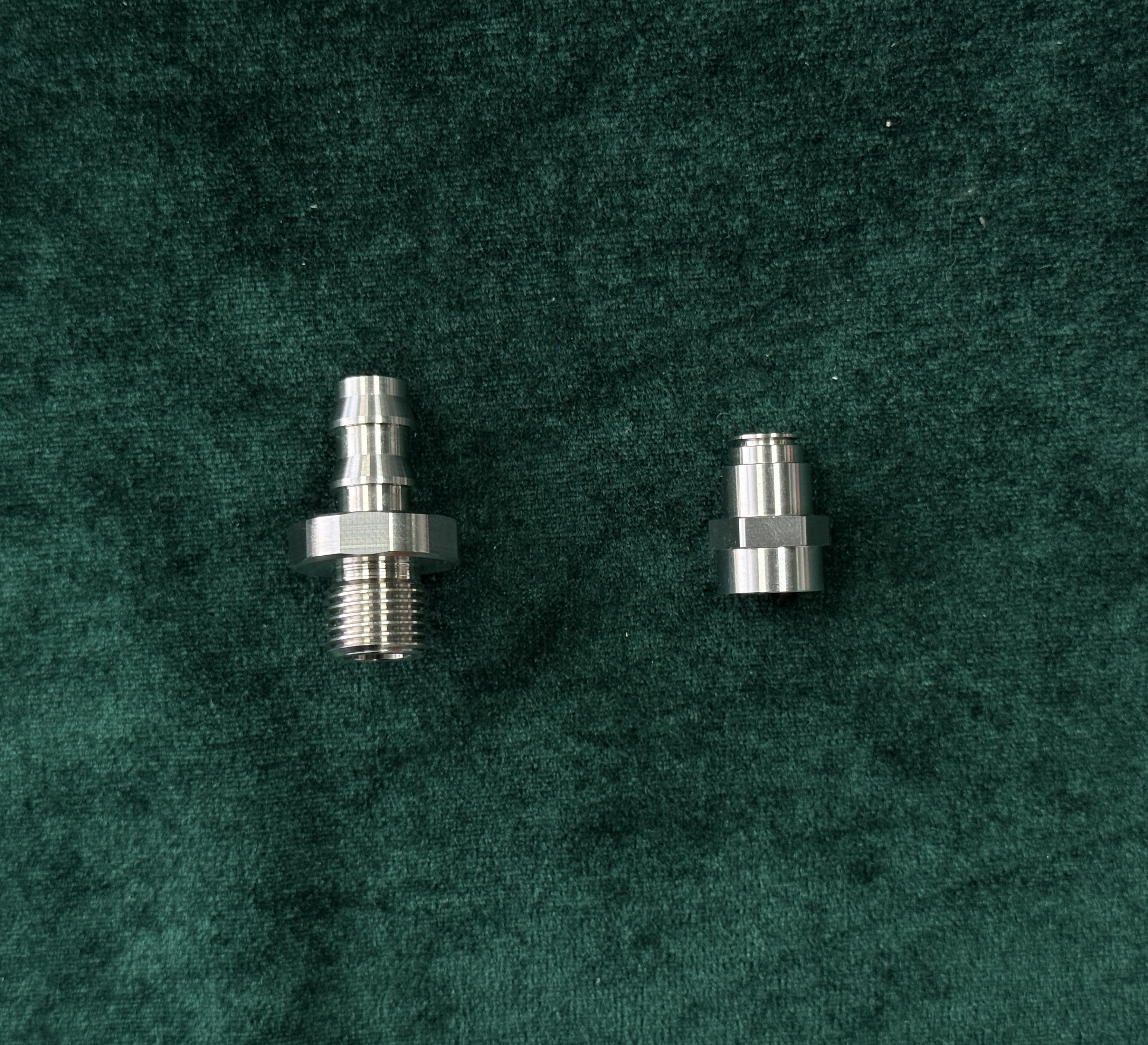
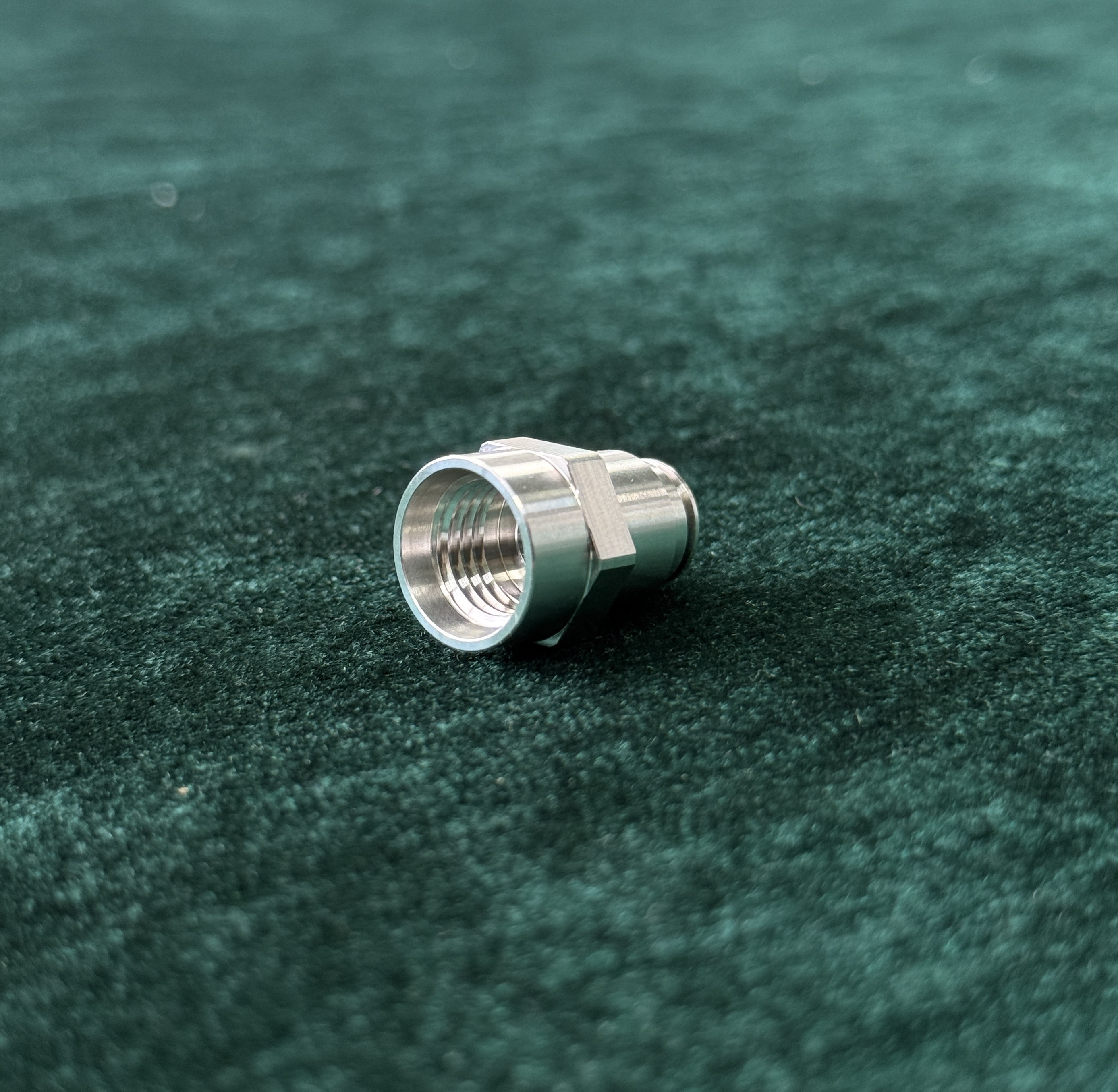
Our SS 304L Liquid Cooling Quick Disconnect is a precision-machined stainless steel fitting designed for liquid cooling systems used in new energy equipment. Manufactured according to approved technical drawings and specifications, this component supports fluid connection requirements in applications where dimensional accuracy, corrosion resistance, and reliable assembly are important.
As liquid cooling technology becomes increasingly common in electric vehicles, battery energy storage systems, power electronics, and industrial thermal management equipment, properly specified fluid connectors play an important role in system integration and maintenance.
With custom CNC machining capabilities and an engineering-focused manufacturing process, we support customers in developing liquid cooling quick-disconnect fittings that meet their specific design, material, dimensional, and surface finishing requirements.
Material selection is an important consideration for liquid cooling connectors. 304L stainless steel is a low-carbon austenitic stainless steel known for its corrosion resistance, formability, and suitability for many industrial fluid-handling applications.
Depending on the coolant composition, operating temperature, and service environment, SS 304L can be a suitable material for liquid cooling components that require a durable metallic structure and corrosion-resistant surfaces.
Key material characteristics include:
Corrosion resistance: Suitable for many industrial cooling environments, subject to coolant compatibility.
Mechanical properties: Provides a durable material option for precision-machined connection components.
Machinability: Supports CNC turning, milling, drilling, threading, and other machining operations.
Low carbon content: Can help reduce the risk of sensitization during welding under appropriate conditions.
Design flexibility: Can be machined into different connection geometries according to approved drawings.
For applications involving specialized coolants, additives, elevated temperatures, or aggressive operating conditions, material compatibility should be evaluated before production.
Our precision CNC machining services support the production of stainless steel liquid cooling fittings with carefully controlled dimensions and connection features.
Depending on the component design, machining operations may include CNC turning, CNC milling, drilling, boring, threading, and surface finishing. Critical features can be manufactured according to approved engineering drawings and specified tolerances.
For liquid cooling quick-disconnect components, dimensional accuracy is particularly important at mating interfaces, sealing surfaces, threads, internal passages, and grooves. These features may affect assembly fit and sealing performance.
Our manufacturing approach focuses on:
Machining dimensions according to approved technical drawings.
Maintaining consistency across production batches.
Producing specified threads, grooves, and connection interfaces.
Controlling surface conditions where required by the design.
Checking applicable product characteristics against agreed inspection criteria.
Machining methods and inspection requirements are determined by the component geometry, material, tolerances, and intended application.
A liquid cooling quick-disconnect fitting is designed to connect fluid lines and, depending on its configuration, facilitate assembly, disconnection, and maintenance.
The final structure may include mating interfaces, sealing features, locking mechanisms, and internal flow passages. These features must be defined according to the equipment layout and operating requirements.
Our custom machining services can support design features such as:
Connection interfaces: Customized dimensions to match the mating component.
Threads: Metric or imperial threads, subject to design requirements and manufacturing feasibility.
Sealing features: Specified sealing surfaces and grooves, including O-ring grooves where required.
Internal passages: Machined flow channels according to the approved design.
Component geometry: Customized diameters, lengths, shoulders, recesses, and other functional features.
Actual leakage performance, pressure capability, flow characteristics, and connection behavior depend on the complete design, sealing materials, assembly conditions, and validation results. Spill-free or dry-break performance should only be specified when the required mechanisms and supporting test results are available.
In addition to liquid cooling connectors, we support custom CNC machining projects for precision stainless steel components manufactured according to customer drawings, CAD models, reference samples, or agreed technical specifications.
Depending on project requirements and manufacturing capabilities, customization may include:
External diameters and overall component lengths.
Internal bores and fluid passages.
Precision threads and mating interfaces.
O-ring grooves and specified sealing features.
Machined shoulders, recesses, and locating surfaces.
Surface finishing and appearance requirements.
Packaging, product identification, and agreed inspection documentation.
For custom projects, engineering requirements such as material grade, critical dimensions, tolerances, surface finish, and functional features should be confirmed before production.
Additional material documentation or inspection records can be discussed and included in the order requirements where applicable.
Liquid cooling systems are used in a range of applications where thermal management is important. Depending on the connector design and validated operating conditions, precision-machined stainless steel fittings may be considered for the following applications.
Liquid cooling circuits in electric vehicles may use fluid connectors in battery thermal management, power electronics, and related cooling assemblies. Connector dimensions, coolant compatibility, temperature range, vibration resistance, and pressure requirements should be evaluated for the target application.
Battery energy storage systems may incorporate liquid cooling to manage operating temperatures across battery modules and associated equipment. Precision-machined fittings can support coolant line connections and serviceable cooling assemblies when designed for the intended system.
Inverters, converters, and other power electronics can require liquid cooling to manage heat generated during operation. Properly specified connectors can form part of the fluid connection system used in this equipment.
Specialized industrial equipment and renewable energy systems may require customized fluid connectors. Material selection and product suitability depend on the working fluid, pressure, temperature, connection design, and applicable technical requirements.
The final connector configuration should be reviewed and validated for its intended application before commercial deployment.
Different equipment manufacturers have different connection standards, installation spaces, and technical requirements. Our custom manufacturing services help customers source precision-machined components based on their specific engineering needs.
We can review customer drawings, 3D CAD models, reference samples, and other relevant technical documents to assess manufacturing feasibility and identify applicable machining and inspection requirements.
Customization options may include:
Component dimensions and connection geometry.
Material selection according to project requirements.
Thread specifications and mating interfaces.
Sealing grooves and other functional features.
Surface finishing and appearance requirements.
Production quantities and agreed quality documentation.
Before production begins, customers should confirm the applicable drawing revision, material grade, critical tolerances, operating conditions, and inspection criteria.
We follow a structured process to help customers move from technical drawings to prototype evaluation and bulk production.
Customers contact us with their technical requirements and submit relevant 2D drawings, 3D CAD files, or other design documents.
Our engineering team reviews the drawings to evaluate manufacturing feasibility, material requirements, dimensions, machining tolerances, surface finishing, and other specified features.
For this liquid cooling quick disconnect, the material and connection requirements are assessed according to the approved design and intended application. Other custom CNC machining projects may involve additional materials, depending on manufacturing capabilities and project specifications.
After the engineering review, we prepare a quotation based on the specified material, component geometry, machining complexity, required quantity, surface finishing, and other project requirements.
Any special inspection, documentation, or testing requirements should be discussed during the quotation stage.
Once the quotation and sampling requirements are confirmed, we arrange prototype production for customer evaluation.
Our typical sample lead time is 7–15 working days, depending on component complexity, material availability, and processing requirements.
After evaluating and approving the samples, the customer can proceed with bulk production according to the confirmed drawings and specifications.
This step helps establish the required product dimensions, functional features, and acceptance criteria before larger production orders begin.
During bulk production, we monitor product quality through scheduled inspection checkpoints. Our inspection procedures are designed to help maintain dimensional accuracy and verify conformity to the agreed specifications.
Further details are provided in our Quality Control and Product Verification section below.
The manufacturing route depends on the component design, material, and technical requirements. Our production process may include the following stages where applicable:
Raw Material Preparation → Material Cutting → Forging (When Required) → CNC Machining → Secondary Machining Operations → Welding (When Required) → Polishing and Surface Finishing → Dimensional Inspection → Thread Inspection (When Applicable) → Visual Appearance Inspection → Final Product Inspection → Finished Goods Warehousing
Not every component requires all the operations listed above. Forging, welding, polishing, and other secondary processes are applied when required by the design and production specifications.
The actual manufacturing route and inspection requirements are determined by the approved drawings and project requirements.
Quality control is an important part of our custom manufacturing process. We use dimensional measuring instruments and magnified visual inspection to check applicable product characteristics against customer drawings and agreed specifications.
Dimensional measuring instruments are used to check specified dimensions, including diameters, lengths, threads, grooves, and other critical features, according to the component design and applicable inspection requirements.
Inspection criteria are based on the agreed drawings, tolerances, and product specifications.
Magnified visual inspection helps identify visible surface conditions such as scratches, burrs, and surface irregularities where applicable.
This inspection supports the evaluation of visible product appearance and workmanship according to the agreed acceptance criteria.
To monitor product quality during bulk production, we conduct inspections at three key production milestones.
First Inspection — Approximately 30% Production Completion
An initial inspection checks applicable dimensions and visible product characteristics to help identify potential deviations during the earlier stages of production.
Second Inspection — Approximately 70% Production Completion
A second inspection monitors dimensional consistency and visible product quality as manufacturing progresses.
Final Inspection — 100% Production Completion
After production is complete, 100% of the finished parts undergo final inspection according to the agreed inspection requirements. Applicable dimensional checks and magnified visual inspections are performed as specified.
These inspection checkpoints help us monitor manufacturing quality and verify conformity to the agreed drawings and specifications.
Additional checks, such as material verification, surface finish measurement, leak testing, pressure testing, or connection testing, can be included when required by the order specifications and supported by the applicable inspection or testing procedures.
Acceptance criteria and any required inspection documentation should be confirmed before production. Pressure ratings, leakage limits, certifications, and service-life claims should be based on relevant technical documentation and validation results rather than assumptions.
304L stainless steel offers corrosion resistance for many industrial fluid-handling applications, subject to coolant compatibility and operating conditions.
CNC machining supports the production of specified threads, sealing grooves, mating interfaces, and other functional features according to approved drawings.
Connection dimensions, component geometry, surface finishing, and other manufacturing requirements can be tailored to the project specifications.
Our custom manufacturing process supports prototype sampling and subsequent production orders, subject to component complexity and production capacity.
Technical drawing review, agreed inspection criteria, and clear communication help align manufacturing requirements with the customer's expectations.
The following parameters can be confirmed during engineering review and quotation. Final specifications depend on the approved design and intended operating conditions.
| Parameter | Description |
|---|---|
| Product Name | SS 304L Liquid Cooling Quick Disconnect |
| Material | AISI 304L stainless steel, according to the approved specification |
| Manufacturing Process | CNC turning, milling, drilling, threading, and other operations as required |
| Product Type | Liquid cooling quick-disconnect fitting |
| Connection Dimensions | Customized according to approved drawings |
| Thread Standard | Specified by the customer or agreed engineering documentation |
| Sealing Structure | Defined according to the connection design |
| Surface Finish | Specified according to functional and appearance requirements |
| Operating Pressure | To be specified and validated for the final assembly |
| Operating Temperature | To be determined according to the material, seals, coolant, and system conditions |
| Coolant Compatibility | To be evaluated for the intended working fluid |
| Inspection Requirements | Defined according to drawing tolerances and agreed acceptance criteria |
| Manufacturing Service | Prototype sampling, custom CNC machining, and production orders, subject to capacity |
For an accurate quotation, please provide the technical drawings or CAD files, required quantity, material specifications, connection requirements, and any applicable pressure, leakage, or other testing requirements.
Choosing a manufacturing partner involves more than comparing machining prices. Drawing interpretation, manufacturing feasibility, dimensional requirements, material selection, and quality inspection all influence the suitability of a finished component.
Our approach focuses on reviewing technical requirements before production, manufacturing according to approved specifications, and conducting agreed quality checks throughout the production process.
For buyers sourcing precision-machined stainless steel parts, clear technical communication and defined acceptance criteria can help reduce design ambiguity and support a smoother transition from prototype evaluation to repeat orders.
We work with customers to clarify manufacturing requirements and evaluate suitable production approaches for their custom components.
Are you looking for a custom SS 304L Liquid Cooling Quick Disconnect for electric vehicles, battery energy storage systems, power electronics, or other liquid cooling applications?
Send us your technical drawings, 3D CAD files, required quantities, material specifications, and application requirements. Our team can review the manufacturing feasibility, machining requirements, and applicable inspection criteria before preparing a customized quotation.
Contact us today to discuss your liquid cooling connector project and request a quote for custom CNC-machined stainless steel components.