
English 
T: +86-13760465505
E: vibetop@163.com
E: vibetop@163.com
No.13, Cheng Guang Industrial park, Dafu Community, GuanLan Street, Longhua District, Shenzhen, GuangDong, China

Views: 0 Author: Site Editor Publish Time: 2026-01-21 Origin: Site


When it comes to car repairs or upgrades, choosing the right parts can be overwhelming. Custom auto parts and OEM parts each have distinct advantages, depending on your needs. In this article, we will explore the differences between custom auto parts and OEM parts. You will learn how to make the best choice for your vehicle's performance, appearance, and budget.
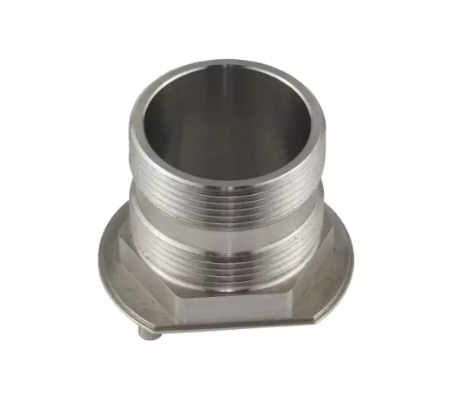
Original Equipment Manufacturer (OEM) auto parts are the same parts that were originally installed in your vehicle when it left the factory. These parts are made by the vehicle's manufacturer or by a licensed supplier. They are designed to fit perfectly with your vehicle, ensuring optimal performance and longevity.
OEM parts are typically used for standard repairs and maintenance. They are guaranteed to be compatible with your car’s make and model, maintaining factory-level performance.
OEM parts are known for their high quality and reliability. Since they are made to the exact specifications of the original parts, they ensure that your car operates as it was designed to. This can lead to longer-lasting repairs and fewer issues down the line. The manufacturer’s rigorous testing standards help ensure these parts meet or exceed performance expectations.
Validation Required: OEM parts are engineered to pass safety and regulatory standards, ensuring they meet high-quality benchmarks.
OEM parts can typically be found at dealerships, car service centers, or online auto parts retailers. While they may be more expensive than aftermarket or custom parts, their price reflects the assurance of quality and compatibility. Depending on your vehicle's make and model, OEM parts can be readily available, though certain models may require special orders or take longer to procure.
● Durability: OEM parts are designed to last, providing long-term reliability and minimizing the need for frequent replacements.
● Compatibility: They are tailor-made for your specific vehicle, ensuring the right fit and function.
● Warranty Compliance: Using OEM parts can often be necessary to maintain your vehicle's warranty, ensuring that any future claims are supported.
Custom auto parts are aftermarket components designed and manufactured to cater to the unique needs or preferences of a vehicle owner. Unlike OEM parts, custom parts are not bound by the original specifications and can be altered for performance, appearance, or other specific objectives. Whether you're looking to boost performance, change the look of your car, or personalize certain features, custom parts offer flexibility.
Among the most popular custom auto parts are those made from stainless steel and aluminum, known for their durability and lightweight characteristics, making them excellent choices for performance and aesthetic upgrades.
Custom auto parts are often designed for performance upgrades, aesthetic changes, or both. You can find custom parts for almost every part of your vehicle, from the exhaust system to suspension components, even custom wheels and body kits. These parts are typically made by third-party manufacturers who specialize in aftermarket vehicle modifications.
For example, stainless steel auto parts such as exhaust systems and brake components are popular for their corrosion resistance and strength. Meanwhile, aluminum auto parts, like wheels and body panels, offer a lightweight yet strong alternative that improves vehicle performance, particularly in racing and off-roading scenarios.
Example: A custom cold air intake system made from aluminum might increase engine performance by improving airflow, which is something an OEM part can't offer.
While custom auto parts tend to be more expensive than OEM options, they provide significant value in terms of personalization and performance. The price varies based on the brand, quality, and customization level, but they can also lead to better overall vehicle performance.
Custom parts are often priced higher than OEM parts due to their specialized nature. However, for those seeking specific upgrades, this higher cost can be justified by the potential benefits they bring to the vehicle.
● Enhanced Performance: Custom parts can improve the car's horsepower, handling, or fuel efficiency.
● Personalized Appearance: With custom auto parts, your vehicle can be made to stand out with unique looks or specialized modifications.
● Unique Modifications: You can create a one-of-a-kind car, tailored to your specific style and needs.
Factor | OEM Parts | Custom Auto Parts |
Durability | Built to last, with rigorous quality control. | May vary depending on manufacturer and materials used. |
Warranty & Support | Typically comes with a manufacturer’s warranty. | Often lacks manufacturer warranty; support varies. |
Performance | Designed for standard vehicle performance. | Can offer performance upgrades (e.g., higher horsepower). |
Cost | Generally more affordable for standard repairs. | Higher upfront cost, but potential for higher value over time. |
OEM parts generally outperform custom parts in terms of durability. Since OEM parts are designed to meet the exact specifications of the vehicle, they are more likely to last longer under normal driving conditions. Custom parts, on the other hand, might be made of different materials that could wear down faster, especially if they are intended for performance enhancements.
However, stainless steel auto parts are a notable exception. Known for their corrosion resistance and strength, they often surpass OEM parts in longevity, especially in harsh environmental conditions (e.g., extreme weather or exposure to salt).
One of the main advantages of OEM parts is the warranty that typically accompanies them. Most manufacturers offer a warranty for OEM parts, ensuring that they are free from defects and will function properly for a specified period. Custom parts, in contrast, may not come with warranties, and if they do, they often have limited coverage.
Custom parts might outperform OEM parts in specific scenarios. For example, aftermarket performance exhausts or air intakes made from stainless steel or aluminum can boost engine power, while suspension upgrades might improve handling. However, OEM parts are designed for everyday reliability, so they are often a better option for standard repairs and maintenance.
Tip: If you're seeking better handling or enhanced engine power, custom parts made from lightweight aluminum or high-strength stainless steel may be your best bet. For reliability and longer-term performance, OEM parts are typically a safer choice.
Consideration | OEM Parts | Custom Auto Parts |
Initial Cost | Generally more affordable for standard repairs. | Higher upfront cost due to customization and branding. |
Long-Term Value | Good long-term investment for standard repairs. | Can offer better performance value, but less predictable. |
Hidden Costs | Typically no hidden costs unless installation is required. | May include additional costs like installation, maintenance, or frequent repairs. |
The initial cost of custom auto parts is often higher compared to OEM parts. Custom parts are manufactured for specialized purposes, and their prices reflect this. On the other hand, OEM parts are typically more affordable upfront but may still be a bit pricier than aftermarket alternatives.
While the initial cost of custom parts might be higher, they may offer better performance or aesthetic value, justifying the investment. Aluminum auto parts, for example, can improve fuel efficiency and handling, making them worth the extra cost. Stainless steel auto parts, like exhaust systems, are built to last and resist corrosion, offering long-term value.
When choosing custom parts, there may be additional costs, such as installation fees, ongoing maintenance, or the potential need for more frequent repairs if the parts are not as durable as OEM alternatives. It's crucial to factor in these hidden costs when deciding between custom and OEM parts.
Installation & Fit | OEM Parts | Custom Auto Parts |
Ease of Installation | Direct fit; typically easier to install. | May require modifications to ensure a proper fit. |
Vehicle Compatibility | Guaranteed to fit the specific vehicle model. | Compatibility depends on the vehicle and the part. |
OEM parts are typically designed to fit directly into your vehicle without modification, making them easier to install. Custom parts, however, may require modifications to your car to ensure a proper fit. Depending on the complexity of the custom parts, installation can range from simple to highly technical.
OEM parts are guaranteed to be compatible with your vehicle’s specific make and model, ensuring a perfect fit. Custom parts may not offer the same guarantee, especially if your vehicle has unique specifications. Always verify compatibility before purchasing custom auto parts to avoid wasting money or damaging your vehicle.
Tip: If you're not sure about compatibility, consult a professional mechanic or check with the part manufacturer to ensure your custom auto parts will fit.
If you're looking to enhance your car’s performance, custom parts made from aluminum or stainless steel are the way to go. Performance modifications such as turbochargers, specialized exhaust systems, or custom air filters can significantly increase your vehicle’s power output and handling capabilities.
Example: A custom cold air intake or performance exhaust system made from stainless steel can boost horsepower and fuel efficiency.
For older or rare vehicles, OEM parts may no longer be available. In these cases, custom parts are often the only option to restore a vehicle to working condition. Additionally, some classic car owners prefer to use custom parts to maintain the vehicle’s original appearance while upgrading performance.
If you're simply replacing a worn-out part or completing regular maintenance, OEM parts are generally the safest choice. They provide a perfect fit and maintain the factory specifications, ensuring that your car continues to perform as intended.
Many manufacturers require the use of OEM parts to maintain the validity of your car's warranty. If you're still under warranty or want to protect the value of your vehicle, sticking with OEM parts is often the best choice.
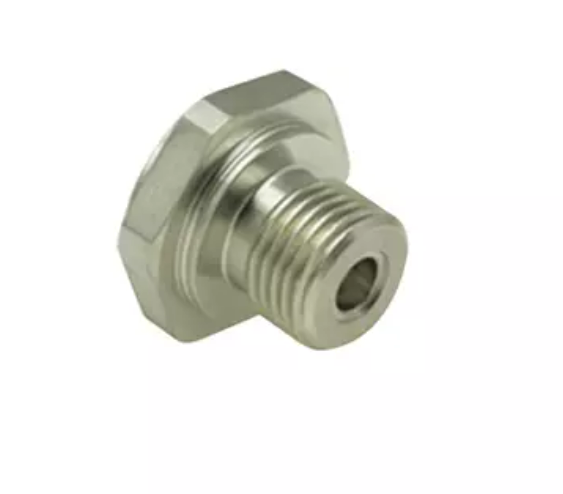
When deciding between custom auto parts and OEM parts, it's important to weigh your goals. Custom parts offer personalization and performance enhancements, while OEM parts provide reliability and compatibility. Depending on whether you're focusing on vehicle restoration, performance upgrades, or regular maintenance, your decision will vary.
Ultimately, if you're looking for performance, customization, or a unique appearance, custom parts made from aluminum or stainless steel are a great option. However, if you value long-term reliability, warranty protection, and cost-effectiveness, OEM parts are the ideal choice.Tip: Consider your vehicle’s needs, your budget, and the desired outcome when deciding between custom or OEM parts. Both options offer distinct advantages depending on the situation.
At Vibetop, we offer high-quality custom auto parts, and we invite you to explore our range of aluminum and stainless steel options to enhance your vehicle's performance and appearance. Feel free to reach out to us for your custom part selection.
A: Custom auto parts are aftermarket components designed to fit a vehicle’s unique needs, enhancing performance, appearance, or both. These parts are not OEM and can be tailored for specific upgrades or modifications.
A: Custom auto parts offer flexibility and performance enhancements, while OEM parts guarantee compatibility and reliability. Custom parts are ideal for performance upgrades, whereas OEM parts are better for standard repairs and warranty compliance.
A: Yes, custom auto parts generally cost more due to their specialized nature and the customization process. However, they can offer better performance and personalization, making them a valuable investment for some car owners.
A: If you seek enhanced performance, personalized upgrades, or unique aesthetics, custom auto parts are the right choice. They allow for more flexibility than OEM parts, especially for specific performance modifications.


